

Germany’s Lufthansa Group has taken another major step in reshaping the European airline landscape, confirming plans to raise its stake in ITA Airways from 41% to 90% in a deal valued at roughly $382 million. The transaction, expected to be finalized in the first quarter of 2027 pending regulatory approval, marks one of the most significant consolidation moves in Europe’s airline sector in recent years.
The decision was approved by Lufthansa’s Supervisory Board and follows months of speculation surrounding the future structure of the Italian carrier. Under the agreement, Italy’s Ministry of Economy and Finance will retain a 10% holding in ITA Airways, though Lufthansa will hold an option to purchase the remaining shares beginning in 2028.
The move comes as Lufthansa Group continues expanding aggressively across Europe while modernizing fleets across its network carriers. At the same time, ITA Airways gains stronger financial backing, broader connectivity, and deeper integration into one of the world’s largest airline systems.
Lufthansa Accelerates Its Italian Expansion
The acquisition significantly strengthens Lufthansa’s foothold in Italy, one of Europe’s busiest and most strategically important aviation markets. For years, the German airline giant struggled to establish a dominant presence in the country despite Italy generating strong premium leisure and business travel demand.
Italy’s market has historically been fragmented, fiercely competitive, and financially challenging for legacy carriers. The collapse of Alitalia after years of losses highlighted the structural difficulties of operating a national airline in the country. ITA Airways was subsequently created as Alitalia’s successor, but questions over its long-term viability emerged almost immediately after launch.
Lufthansa identified that uncertainty as an opportunity.
Initial negotiations between Lufthansa Group and the Italian government stretched over several years, with competing bidders periodically entering discussions. Lufthansa ultimately secured a minority stake first, positioning itself to evaluate the airline’s operational performance before committing additional capital.
Now, after describing the partnership as highly successful, Lufthansa is moving decisively toward majority control.
Chief Executive Officer Carsten Spohr said the integration between Lufthansa Group and ITA Airways has progressed faster than any airline integration in the company’s history, underscoring management confidence in the deal’s long-term value.
Rome Fiumicino Emerging as Lufthansa’s Southern Hub
One of the most important elements of the acquisition is Rome Fiumicino Airport’s growing role within Lufthansa Group’s wider network strategy.
ITA Airways is expected to function as the Group’s fifth major hub carrier alongside Lufthansa, SWISS, Austrian Airlines, and Brussels Airlines. Rome gives Lufthansa stronger access to Southern Europe, North Africa, and Mediterranean markets while also providing additional long-haul connectivity opportunities.
The airline group can now funnel passengers between Rome, Frankfurt, Munich, Zurich, Vienna, and Brussels more efficiently through expanded codeshare agreements and coordinated scheduling.
That connectivity boost extends beyond Europe.
With ITA Airways integrated into Lufthansa’s joint ventures and alliance partnerships, passengers are expected to benefit from expanded transatlantic cooperation, enhanced frequent-flyer reciprocity, coordinated lounge access, and broader Star Alliance integration.
For Lufthansa, Rome also offers an increasingly valuable alternative gateway for intercontinental traffic flows, especially as congestion pressures continue rising at several Northern European airports.
Fleet Expansion Supports Long-Term Strategy
The stake increase arrives alongside Lufthansa Group’s approval to acquire an additional 20 Airbus and Boeing widebody aircraft, signaling confidence in future long-haul demand growth.
Fleet modernization has become central to Lufthansa’s broader strategy across all subsidiaries, including ITA Airways.
ITA already operates one of Europe’s youngest fleets, with aircraft such as the Airbus A321neo becoming key components of its network expansion strategy. Lufthansa sees clear operational advantages in aligning ITA’s fleet structure with the Group’s modernization efforts.
The benefits extend well beyond fuel efficiency.
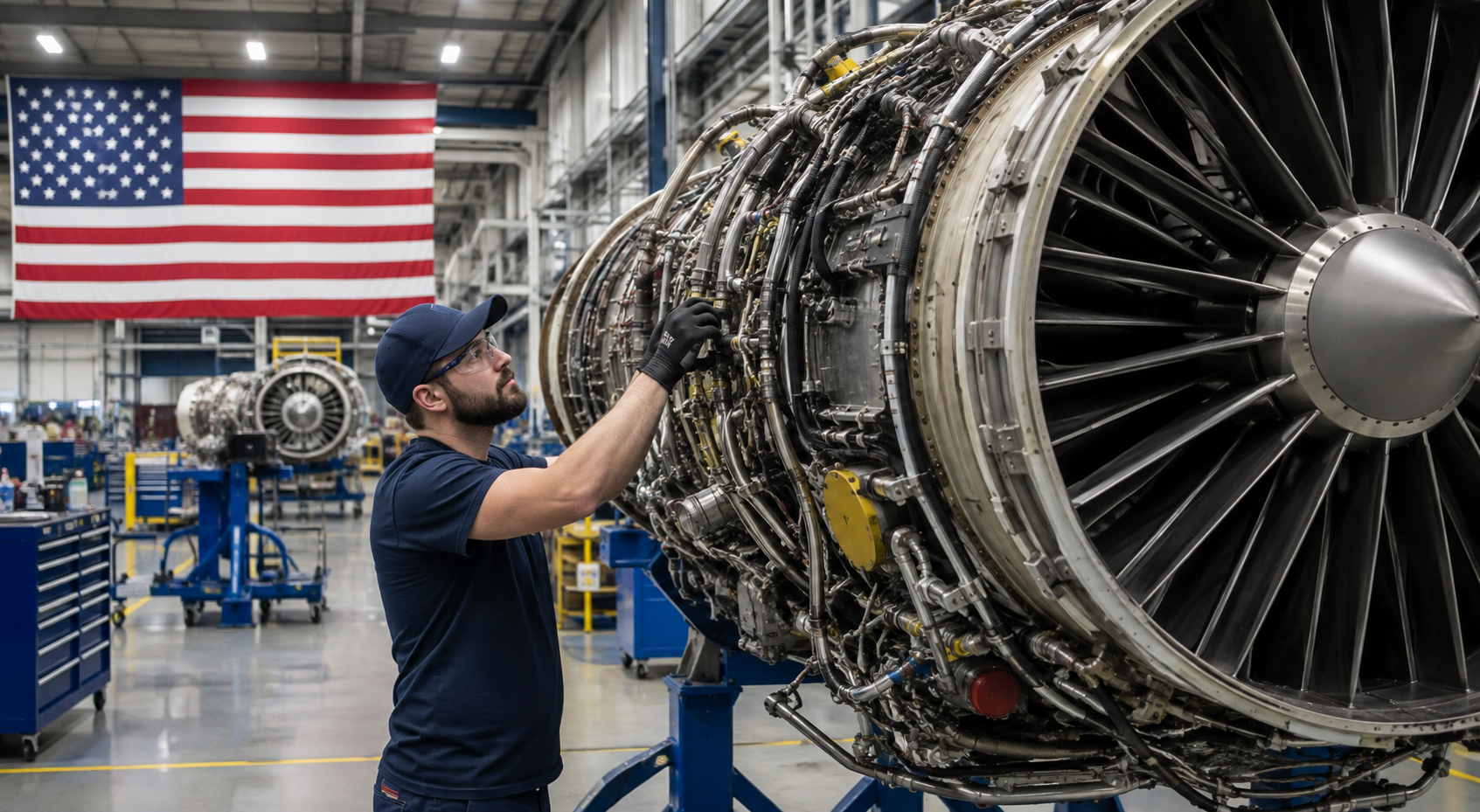
Shared fleet commonality reduces maintenance complexity, lowers training costs, streamlines spare parts inventories, and improves operational flexibility across the combined airline system. Lufthansa Technik, the Group’s maintenance division, is also expected to play a larger role in servicing ITA’s aircraft over time.
That operational alignment could help ITA avoid many of the structural inefficiencies that burdened Alitalia for decades.
ITA Airways Gains Stability After Years of Uncertainty
For ITA Airways, Lufthansa’s expanded ownership provides something arguably more important than capital: stability.
Since replacing Alitalia, ITA Airways has faced immense pressure to prove it could survive in one of Europe’s most difficult airline markets. While the carrier introduced newer aircraft, streamlined operations, and a more disciplined route network, analysts remained skeptical about whether the airline could succeed independently.
Lufthansa’s involvement changes that equation significantly.
The German aviation group brings purchasing power, network scale, corporate contracts, loyalty-program reach, and operational expertise that ITA lacked on its own. Those advantages could allow the Italian carrier to compete more effectively against both ultra-low-cost airlines and larger European legacy rivals.
Integration into Lufthansa’s ecosystem also improves ITA’s appeal to premium travelers and international corporate clients, particularly on long-haul routes where alliance strength and connectivity often influence booking decisions.
Regulatory Approval Still Required
Despite the momentum behind the transaction, regulatory hurdles remain before the deal can officially close.
Authorities in both the European Union and the United States are expected to review the acquisition closely due to competition concerns, particularly involving transatlantic routes and airport slot access.
However, Lufthansa has already navigated significant scrutiny during earlier phases of the ITA investment process, and industry observers generally expect the latest expansion to receive approval, albeit potentially with conditions attached.
Those conditions could include slot concessions or commitments to preserve competition on certain routes.
If approved on schedule, Lufthansa would finalize the additional 49% purchase in early 2027, leaving the Italian government with a minority holding until at least 2028.
A Defining Moment for European Airline Consolidation
The Lufthansa-ITA transaction reflects a broader trend reshaping the global aviation industry: consolidation around financially stronger airline groups.
As operational costs rise and competition intensifies, mid-sized national carriers increasingly face pressure to join larger networks capable of generating economies of scale. Lufthansa has already built one of Europe’s most diversified airline portfolios, and adding effective control of ITA Airways further strengthens that position.
For Italy, the deal may finally provide a sustainable future for a national airline brand after decades of financial instability tied to Alitalia.
For Lufthansa, the acquisition delivers access to a strategically important market that long remained outside its direct control.
And for passengers, the partnership is likely to bring broader route networks, tighter connections, and a more integrated European travel experience in the years ahead.
For more on Lufthansa, see: Lufthansa Expands Fleet With 20 New Widebody Jets

Leave a Reply