
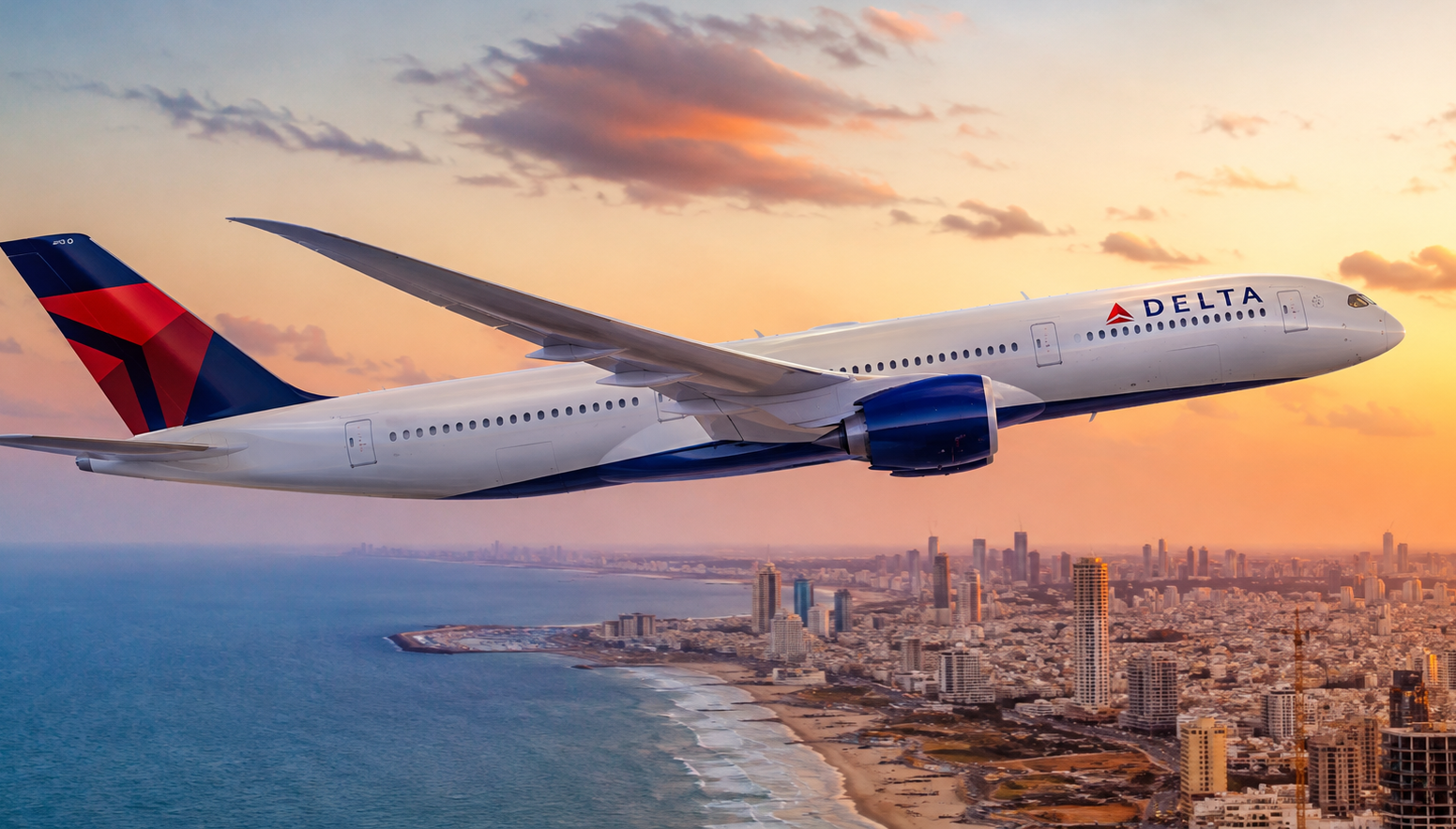
Delta Air Lines is preparing to reconnect New York and Tel Aviv with the return of daily nonstop flights between John F. Kennedy International Airport and Ben Gurion International Airport. The first flight is scheduled to leave New York on September 6, 2026, arriving in Israel the following morning, marking an important step in restoring one of the most significant air links between the United States and Israel.
The planned return is about more than adding a route back to the timetable. Delta’s decision comes after months of disruption and follows a detailed review of the security situation surrounding Tel Aviv and the wider region. For travelers, the restart could provide a much-needed direct option between two major international markets, while for the airline industry, it represents a cautious return to a market that has been heavily affected by regional instability.
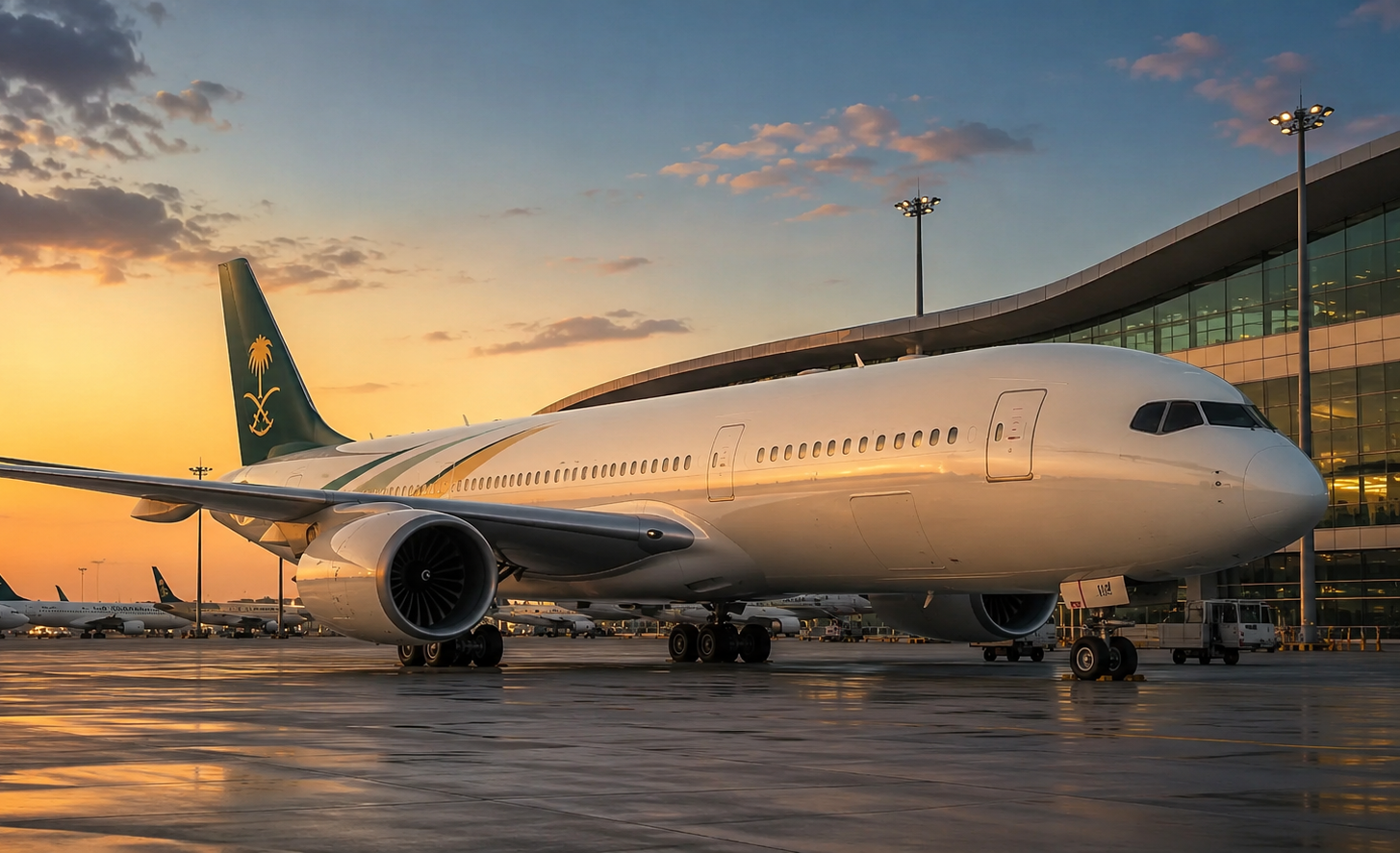
Delta announced the restart on August 26, confirming that the New York-JFK to Tel Aviv service will operate daily. The airline has selected the Airbus A330-900neo for the route, giving passengers access to four cabin experiences: Delta One, Delta Premium Select, Delta Comfort and Delta Main Cabin.
Delta Sets September 6 Return to Tel Aviv
Under the current schedule, the first west-to-east flight will depart New York-JFK on September 6 and arrive at Ben Gurion International Airport on September 7. The return flight will leave Tel Aviv on September 7 and reach New York later that same day.
The schedule is designed to restore a daily nonstop connection rather than returning with a limited number of weekly flights. That is significant for passengers who rely on the route for business, family, tourism and connecting travel through Delta’s wider U.S. network.
Current published schedules show the planned JFK-TLV service operating with the A330-900neo, although airline schedules can change before a flight operates.
The aircraft choice also gives Delta an opportunity to bring one of its newer widebody products back to the route. The A330-900neo is equipped for long-haul operations and will offer Delta’s premium cabin lineup alongside its standard economy service.
For customers, that means the returning service will include Delta One for premium travelers, Delta Premium Select, Delta Comfort and Delta Main Cabin. The combination gives the airline a broad product offering on a route that typically attracts a mix of corporate travelers, visiting-friends-and-relatives traffic and international leisure passengers.
Security Remains Central to the Restart
The timing of Delta’s announcement is particularly important because the airline is not treating the return to Tel Aviv as a routine network restoration.
Delta said the resumption follows a thorough review of the evolving security environment in the region. The carrier also emphasized that the safety and security of customers and employees remain its top priority. It will continue monitoring developments in coordination with aviation authorities and government agencies.
That qualification matters.
The September 6 date is currently planned rather than an unconditional guarantee that the route will operate regardless of circumstances. Conditions in the region can change quickly, and airlines operating long-haul services to affected areas must continually evaluate airspace, airport operations, security guidance and other factors before committing aircraft and crews to a schedule.
Delta has already demonstrated that approach with its broader Tel Aviv network. In May, the airline said its Atlanta-Tel Aviv service would remain suspended through December 18, while the JFK service remained planned for September 6. Its Boston-Tel Aviv launch was also delayed until further notice.
That makes the JFK restart particularly notable. Rather than bringing every Tel Aviv route back simultaneously, Delta is taking a more measured approach, restoring the New York service first while maintaining a longer pause on other routes.
Why JFK Matters to Delta’s Tel Aviv Network
New York is one of the most important markets for nonstop travel to Israel, making JFK a logical starting point for Delta’s return.
The route also connects Tel Aviv directly with one of Delta’s major international gateways. From JFK, passengers have access to a broad network across the United States, making the Tel Aviv flight useful not only to travelers beginning or ending their journeys in New York but also to passengers connecting onward.
The planned service therefore has significance beyond the two airports themselves.
For Delta, restoring JFK-TLV helps rebuild its international network while giving customers another option for reaching Israel without an intermediate stop. For passengers, a daily nonstop flight can make a considerable difference, particularly on a long-haul journey where an additional connection can add several hours to the overall trip.
The A330-900neo is also well suited to the task. With a long-range widebody configuration and multiple cabin products, the aircraft allows Delta to serve different segments of the market on the same flight.
A Cautious Step Toward Rebuilding U.S.-Israel Connectivity
Delta’s return comes at a time when the airline industry continues to reassess schedules across the Middle East. International carriers have had to balance passenger demand with operational and security considerations, making route resumptions more complicated than simply putting a previously suspended flight back on sale.
That is why Delta’s decision carries broader significance.
A daily JFK-Tel Aviv operation suggests the airline sees enough value in the market to restore a regular long-haul presence, while its continued monitoring of the security environment shows that the carrier is approaching the restart cautiously.
The distinction is important. Delta is not simply declaring that conditions have returned to normal. Instead, it is restoring service while retaining the flexibility to respond if circumstances change.
For travelers planning September trips, that means the route should be viewed as a planned restart rather than a guarantee against future schedule changes. Delta is advising customers to check its website and mobile app for the latest flight updates and travel information.
What Delta’s A330neo Return Means for Passengers
The Airbus A330-900neo will give travelers on the returning route access to Delta’s four main cabin experiences.
Delta One is aimed at premium long-haul travelers, while Premium Select sits between the carrier’s business-class and standard economy offerings. Delta Comfort provides additional space and other upgraded features, while Main Cabin remains the airline’s conventional economy product.
That variety is particularly useful on a route such as New York-Tel Aviv, where passenger requirements can vary considerably.
A business traveler may prioritize a lie-flat premium seat and the ability to work during the flight. A family visiting relatives may place greater importance on nonstop connectivity and schedule convenience. Leisure travelers, meanwhile, may focus on fares and baggage options.
By deploying the A330-900neo, Delta can address these different segments with one aircraft while maintaining a daily nonstop schedule.
September Restart Could Become a Key Aviation Milestone
The September 6 restart is likely to attract attention well beyond Delta’s customer base. The JFK-Tel Aviv route is an important international air corridor, and restoring daily nonstop service represents a meaningful step in reconnecting the two markets.
At the same time, the airline’s cautious language highlights how closely aviation remains tied to developments on the ground. Delta has made clear that its security assessments will continue, meaning the schedule remains dependent on conditions remaining suitable for operation.
For now, however, the message is straightforward: Delta is preparing to bring back daily nonstop JFK-Tel Aviv flights on September 6, using the Airbus A330-900neo.
If the service launches as planned, passengers will once again have a direct Delta connection between New York and Tel Aviv, with four cabin options and daily frequency. More importantly, the restart could mark the beginning of a gradual rebuilding of Delta’s Tel Aviv network after a prolonged period of uncertainty.
For travelers with plans between the United States and Israel, the next few weeks will therefore be worth watching closely. The September 6 departure is on the schedule, but Delta’s continued security reviews will remain an important factor in determining whether the planned return proceeds as expected.
For more on Delta Airlines, see: Delta Airlines Plane Crash at Pearson Airport Linked to High Descent Rate and Gear Failure





Leave a Reply