

Steady Revenue Growth in a Constrained Environment
Hindustan Aeronautics Limited (HAL) closed the financial year ending March 31, 2026, with provisional revenues of ₹32,250 crore, marking a year-on-year increase from ₹30,981 crore. While the growth rate appears modest on paper, the underlying performance reflects a company navigating real operational friction—particularly supply chain disruptions affecting its flagship indigenous platforms.
The most visible bottlenecks emerged in the LCA Mk1A Tejas program and the HTT-40 basic trainer, both of which faced delays tied to imported components, vendor dependencies, and broader geopolitical pressures. These constraints, however, did not derail HAL’s overall financial performance.
Instead, the company leaned heavily on alternative production streams. Deliveries of the Dhruv Advanced Light Helicopter (ALH), along with licensed production of high-value Russian-origin engines, provided critical revenue support. The Saturn AL-31FP engine—integral to the Sukhoi Su-30MKI—and the RD-33 powering the MiG-29 continued to see stable demand. These programs, less exposed to supply chain volatility, effectively cushioned the impact of delays elsewhere in HAL’s portfolio.
Order Book Expansion Signals Long-Term Stability
HAL’s most significant strategic advantage remains its swelling order book, which reached approximately ₹2.54 trillion by the end of March 2026, up sharply from ₹1.89 trillion a year earlier. This expansion is not just a headline figure—it fundamentally reshapes the company’s revenue visibility and production planning horizon.
At the center of this backlog is the ₹62,370 crore contract for 97 LCA Mk1A Tejas fighters, awarded by India’s Ministry of Defence. The scale of this order ensures sustained activity across HAL’s fighter assembly lines for years to come, while also reinforcing the government’s push toward defence indigenization.
Additional contracts further strengthen this pipeline:
- Six Dhruv ALH helicopters for the Indian Coast Guard (₹2,704 crore)
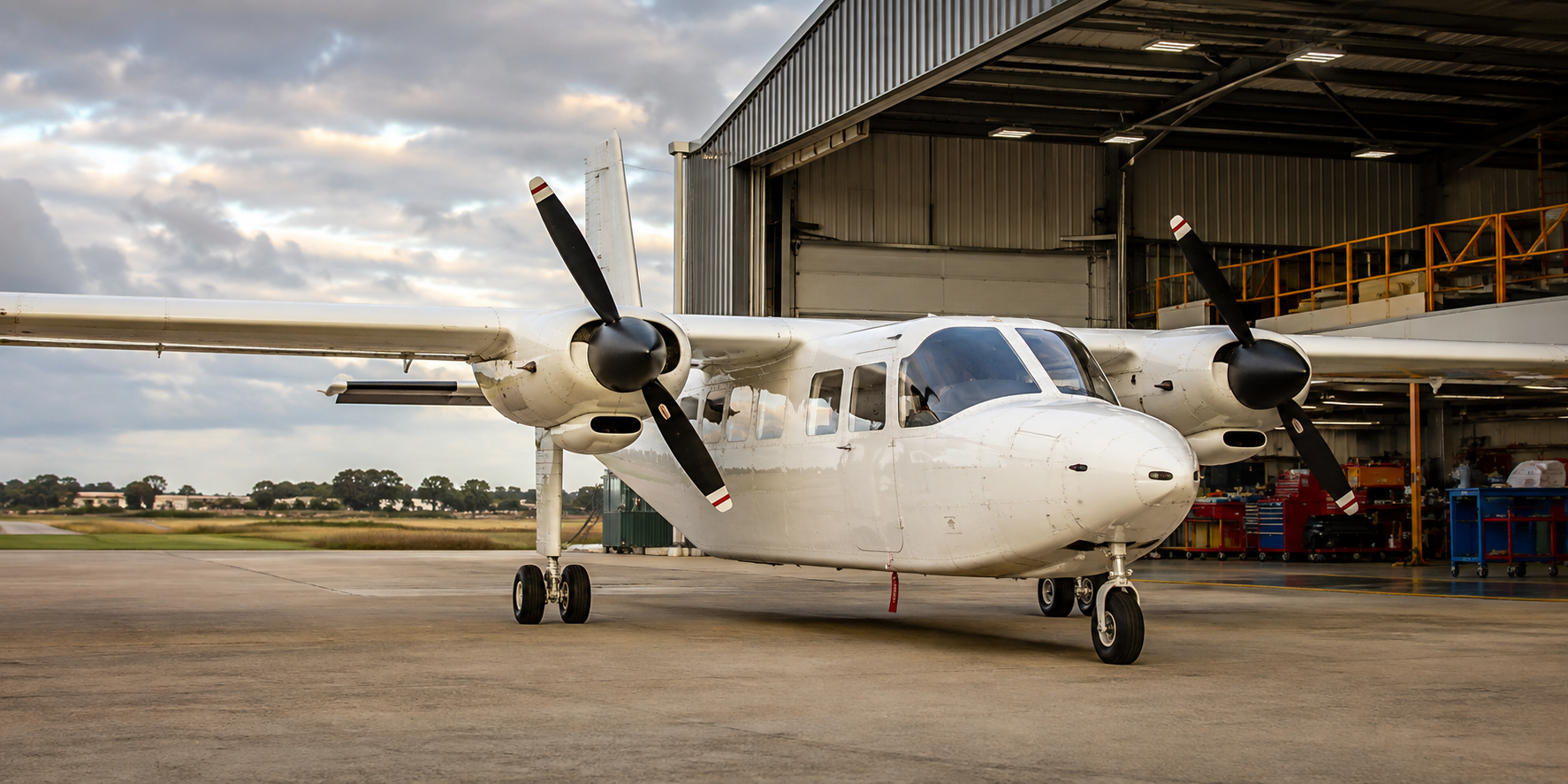
- Eight Dornier Do-228 aircraft (₹2,186 crore)
Together, these commitments provide HAL with a predictable revenue stream over the next seven to eight years. Equally important is the steady demand for spares, overhauls, and lifecycle support—segments that typically deliver higher margins and consistent cash flow.
Manufacturing Capacity Ramps Up to Meet Demand
Recognizing the scale of its order backlog, HAL has moved aggressively to expand production capacity. During FY2026, the company operationalized a third Tejas production line and a second HTT-40 line at its Nashik division. These additions are expected to incrementally improve output rates and reduce delivery timelines, though supply-side constraints remain a limiting factor in the near term.
The HTT-40 program, in particular, reached a turning point with the start of series production. This milestone is critical not only for HAL but also for India’s pilot training infrastructure, which has long relied on imported solutions.
Meanwhile, HAL is working to stabilize its supplier ecosystem. Agreements such as the partnership with Mishra Dhatu Nigam Limited to establish a strategic “metal bank” are designed to secure access to critical raw materials and reduce exposure to global supply shocks.
Civil Aviation Push Gains Momentum
While defence continues to dominate HAL’s revenue mix, the company is steadily building a presence in civil aviation. The first flight of the Dhruv NG helicopter marks an important step in this direction, signaling HAL’s intent to evolve its rotary-wing platforms for commercial applications.
Importantly, the Dhruv NG has already secured a commitment for 10 units from Pawan Hans, offering early validation of market demand. This order could pave the way for further adoption in sectors such as offshore transport, emergency services, and regional connectivity.
HAL is also exploring international collaborations to expand its reach. Its agreement with United Aircraft Corporation (UAC) to support the SJ-100 regional aircraft program reflects a calculated move into the global commercial aviation supply chain—an area where HAL has historically had limited exposure.
Entry Into Space and Strategic Diversification
In parallel with its aviation programs, HAL is positioning itself within India’s growing space economy. Through a technology transfer agreement with Indian Space Research Organisation (ISRO), along with IN-SPACe and NSIL, the company will participate in the Small Satellite Launch Vehicle (SSLV) program.
This marks a notable diversification beyond traditional aerospace manufacturing, opening up opportunities in satellite launch services—a segment expected to see rapid growth over the coming decade.
Financial Discipline and Sustainability Initiatives
HAL’s financial stability is further underscored by its dividend payouts, totaling ₹3,344 crore during the fiscal year. This includes an interim dividend of ₹35 per share and a final dividend of ₹15 per share, reflecting consistent cash generation despite operational headwinds.
On the sustainability front, the company continues to invest in renewable energy, achieving more than 50 MW of installed capacity. Approximately 40% of its energy consumption now comes from green sources, a shift that not only supports environmental goals but also helps manage long-term energy costs.
Outlook Hinges on Execution and Supply Chain Recovery
HAL enters the new financial year with strong structural advantages: a record order book, expanded manufacturing capacity, and a broader presence across defence, civil aviation, and space sectors. However, the near-term outlook will depend heavily on its ability to resolve supply chain disruptions—particularly those affecting the Tejas Mk1A program.
If execution improves and supplier bottlenecks ease, HAL is well positioned to translate its massive order pipeline into sustained revenue growth. The company’s trajectory suggests a gradual but clear transition—from a domestically focused defence manufacturer to a more diversified aerospace player with global ambitions.
For more on HAL, see: PAG Approved to Install Thales StableLight Autopilot


Leave a Reply