

Willis Lease Finance Corporation (WLFC) is expanding its aviation asset base after completing the acquisition of a portfolio containing 12 commercial aircraft and 13 aircraft engines. The transaction adds another group of assets to the company’s leasing and services platform as it looks to put capital to work across several areas of the aviation market.
The acquisition is significant not simply because of the number of aircraft and engines involved, but because of the flexibility those assets give WLFC. The company can deploy equipment through its aircraft and engine leasing operations, asset management activities, technical services and aftermarket businesses. That broad operating model gives WLFC several potential routes to generate value from assets throughout their useful lives.
The deal follows an active period of expansion for the company. WLFC has been increasing its focus on aircraft and engine acquisitions while building out the wider services infrastructure that supports those assets. Its business includes the acquisition, leasing and resale of commercial aircraft and engines, as well as spare parts, aftermarket engine components and technical and consulting services for airlines and maintenance, repair and overhaul providers.
WLFC Adds 25 Aviation Assets to Its Portfolio
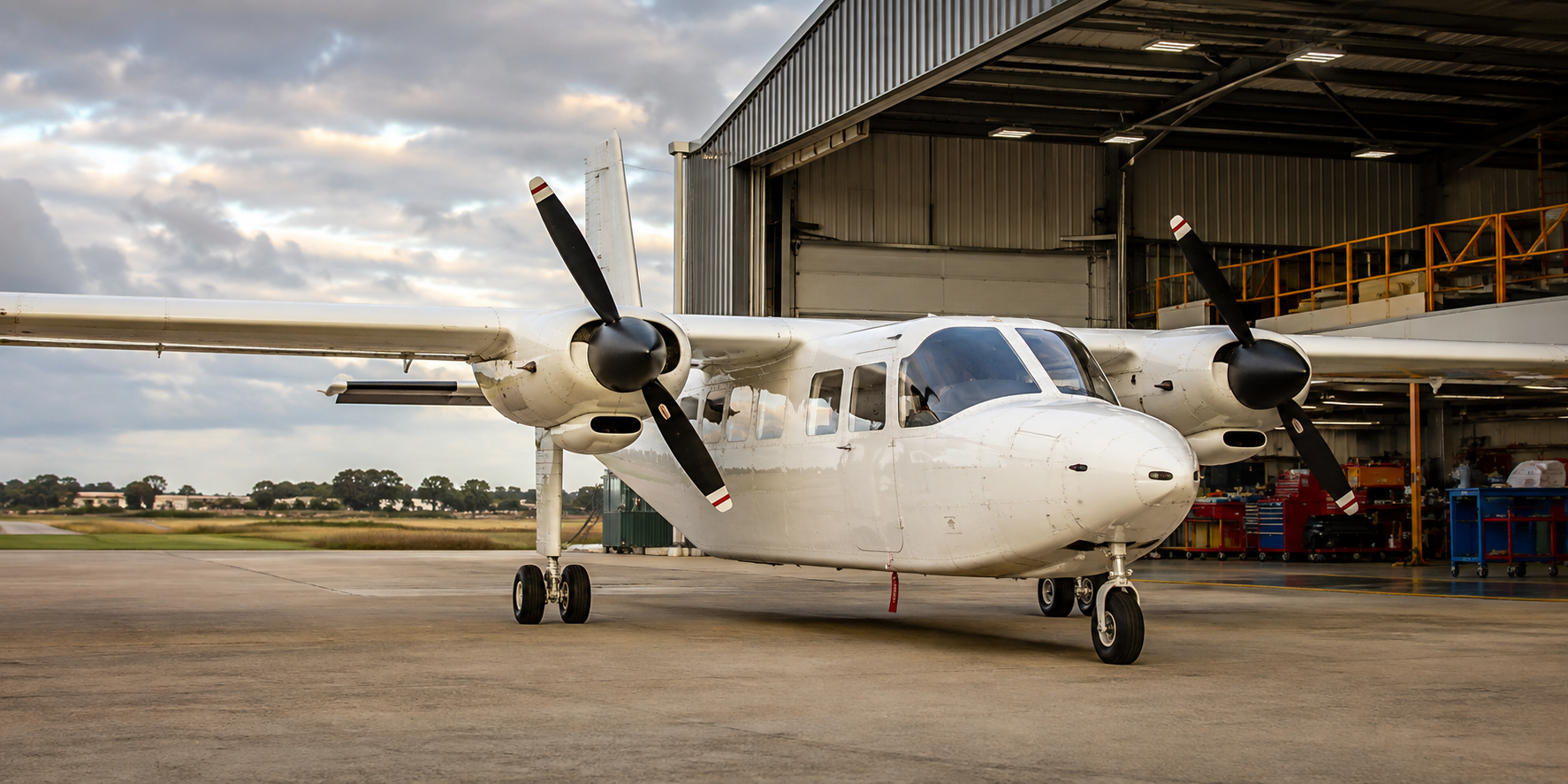
The newly acquired portfolio consists of 12 commercial aircraft and 13 aircraft engines, giving Willis Lease Finance additional equipment that can be managed through different parts of its business.
For an aviation lessor, the value of an acquisition is not necessarily limited to placing an aircraft or engine on a traditional lease. Assets can be leased, traded, exchanged, sold, placed into asset-management programs or used to support other customer requirements.
That flexibility is particularly relevant in an aviation market where airlines and MRO providers can have changing requirements for spare engines, aircraft capacity and maintenance support.
WLFC already operates a broad portfolio covering major commercial engine types and provides short- and long-term lease financing for aircraft and engines. The company also offers trading, acquisitions, sales, exchanges and part-out services, allowing it to manage assets through different stages of their operating lives.
The latest acquisition therefore gives the company more inventory to work with while supporting its strategy of using its aviation platform to identify different opportunities for each asset.
A Broader Aircraft Leasing Strategy
Aircraft leasing has become an increasingly important part of the global aviation ecosystem as airlines seek greater flexibility in managing fleet capacity and capital expenditure. Rather than purchasing every aircraft and engine outright, operators can use leasing arrangements to access equipment while managing their balance sheets and fleet plans.
For WLFC, adding commercial aircraft alongside engines broadens the mix of assets available through its platform.
The company has historically been particularly well known for aircraft engine leasing. Its operations cover large and regional spare commercial engines, auxiliary power units and aircraft, with its leasing activities integrated with engine and aircraft trading and asset management.
The addition of 12 commercial aircraft consequently fits into a wider strategy of building a more diversified aviation asset portfolio.
The company has also made other aircraft investments during 2026. In June, WLFC announced the acquisition of three Airbus A330-300 aircraft that were to be leased to China Airlines and EVA Air, demonstrating its willingness to expand beyond its traditional engine-focused business.
Engines Remain a Key Part of the Business
The 13 aircraft engines included in the latest acquisition are equally important to WLFC’s growth plans.
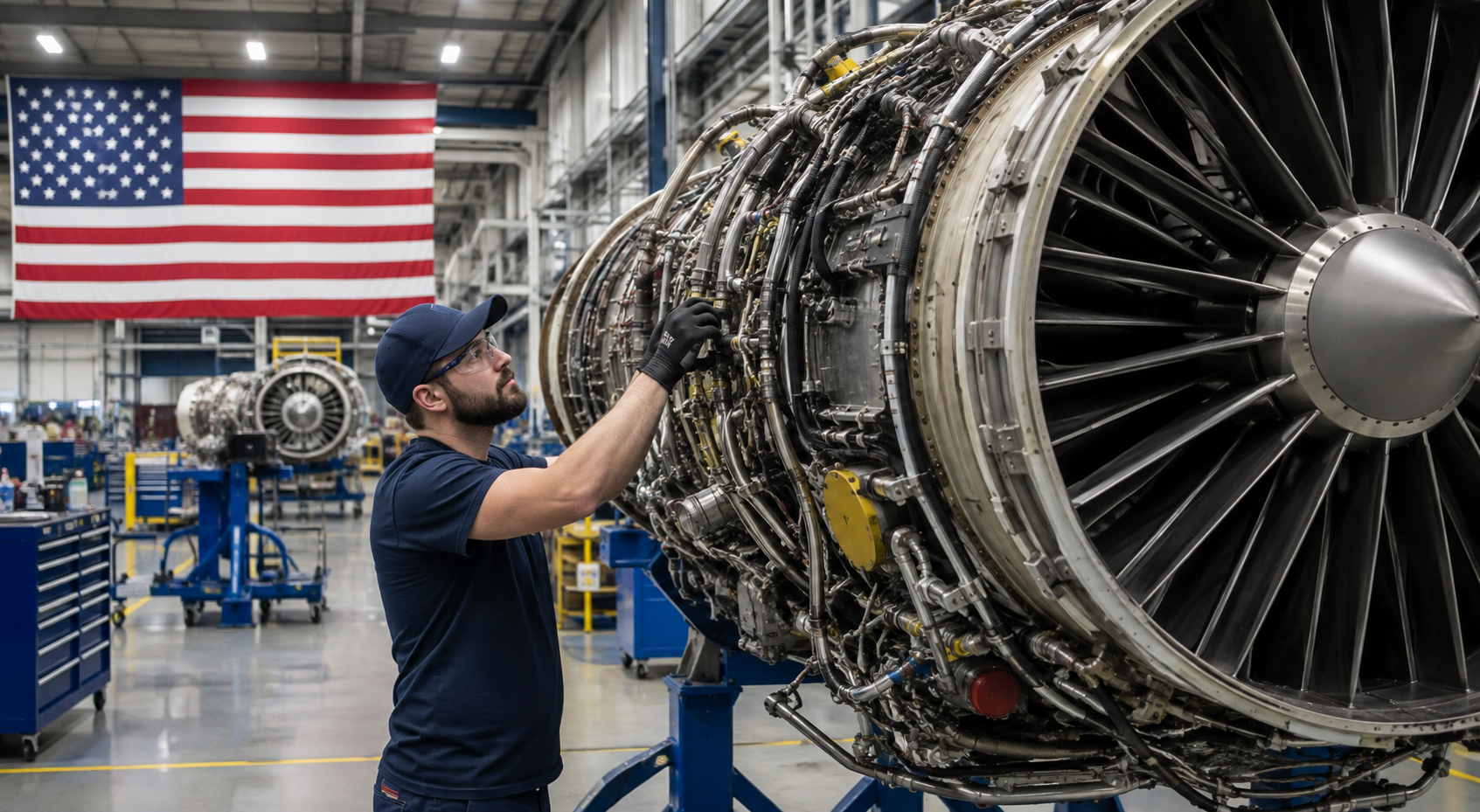
Aircraft engines are among the most valuable and technically complex components of a commercial aircraft, and airlines often rely on spare-engine leasing and other support arrangements to maintain fleet availability. A replacement engine can help an operator keep an aircraft flying while another engine undergoes maintenance or repair.
WLFC’s existing services are designed around this requirement. Its ConstantAccess program provides customers with access to engines from its global portfolio, while ConstantThrust is designed to replace engines removed for maintenance with serviceable units from WLFC’s asset base.
That means newly acquired engines can potentially support several revenue opportunities beyond conventional leasing.
WLFC has also been investing in its technical capabilities. Earlier this year, the company launched an in-house engine module restoration capability through Willis Module Shop, adding another element to its broader aftermarket offering.
For the company, the combination of asset ownership and technical expertise can provide a way to extract value from engines across multiple stages of their lifecycle.
CEO Highlights Disciplined Growth
WLFC CEO Austin C. Willis described the transaction as an opportunity to deploy capital into assets that complement the company’s existing operations.
The comments point to a measured approach to portfolio expansion rather than growth based solely on increasing the number of assets under ownership. The company is looking for equipment that can fit within its existing leasing, trading, technical and asset-management capabilities.
That approach is important in aircraft leasing because the economics of an asset depend on more than its purchase price. Factors such as lease demand, maintenance requirements, engine availability, residual values and the condition of the aircraft or engine can all influence its long-term performance.
By combining leasing with asset management and aftermarket capabilities, WLFC has multiple ways to manage those considerations.
The company says it has more than four decades of experience in the aviation services sector and maintains operations across the United States, Europe and Asia. Its platform is designed to support customers around the world, giving it access to different aviation markets and customer requirements.
Professional Advisers Supported the Transaction
The acquisition was also supported by a team of financial, tax and legal advisers.
Milbank LLP served as legal counsel to Willis Lease Finance Corporation. PricewaterhouseCoopers LLP (PwC) provided accounting, tax and financial due diligence services for the transaction.
On the seller’s side, Vedder provided legal advice, while KPMG Ireland advised on tax and accounting matters.
The involvement of specialist advisers highlights the complexity involved in aviation asset transactions. Aircraft and engine portfolios can involve detailed technical assessments, maintenance records, ownership structures, lease arrangements, tax considerations and valuation work.
What the Acquisition Means for WLFC
The latest transaction gives Willis Lease Finance additional assets at a time when the company is building out its aircraft and engine leasing platform.
For WLFC, the immediate opportunity lies in determining how best to deploy the 12 aircraft and 13 engines. Some assets may be suitable for leasing, while others could eventually be sold, traded, exchanged or incorporated into wider asset-management and aftermarket strategies.
That flexibility is central to the company’s business model.
WLFC describes itself as a global aviation services provider focused on the acquisition, lease and resale of commercial aircraft, engines and other aircraft equipment. Its operations also extend into spare parts, aftermarket engine materials and engine management services.
The latest Willis Lease Finance acquisition therefore adds more than 25 individual aviation assets to the company’s portfolio. It also expands the pool of equipment that WLFC can use across its leasing and aviation services businesses.
As airlines continue to manage fleet requirements, engine maintenance demands and capital constraints, the ability to provide aircraft, spare engines and related technical services could give lessors with diversified platforms an important role in the market.
For WLFC, the acquisition is another step in its broader push to grow its aviation asset portfolio while maintaining a disciplined approach to capital deployment and long-term value creation.











Leave a Reply