

Europe’s aviation industry is entering one of its most uncertain fuel supply environments in years as geopolitical tensions in the Middle East continue to disrupt global energy markets. While airlines across the continent have so far avoided major operational disruptions, warnings from European regulators and energy officials suggest the sector may soon face a much more challenging reality.
The European Commission’s Directorate-General for Energy has cautioned that jet fuel supplies could become increasingly constrained if disruptions linked to the Strait of Hormuz continue through the coming weeks. Although consumers and airlines have not yet experienced widespread physical shortages, officials believe market conditions are tightening rapidly, particularly for aviation fuel.
The warning arrives at a critical moment for airlines. European carriers are entering the peak summer travel season, traditionally the most profitable period of the year, while executives prepare to gather at the International Air Transport Association (IATA) Annual General Meeting in Rio de Janeiro. Against a backdrop of record passenger demand, carriers now face the prospect of sharply rising fuel costs and growing uncertainty over future supply availability.
Strait of Hormuz Remains a Critical Chokepoint
The Strait of Hormuz has long been regarded as one of the world’s most strategically important maritime corridors. Connecting the Persian Gulf with global shipping routes, the narrow waterway handles a significant share of international oil and petroleum product exports.
According to industry estimates discussed during recent European Union energy coordination meetings, more than 20% of global jet fuel supply has been affected by disruptions associated with the ongoing Iran-related crisis. The situation is particularly concerning for Europe, where approximately 41% of aviation fuel imports are linked directly or indirectly to supply routes passing through Hormuz.
The broader oil market is also feeling the strain. Global oil consumption remains close to 100 million barrels per day, with roughly 15 million barrels normally transiting the strait daily. While some crude exports can be redirected through alternative pipelines and export terminals, energy analysts warn that these options cannot fully compensate for a prolonged interruption of maritime traffic.
Recent data from commodity intelligence provider Kpler underscores the scale of the disruption. Global jet fuel and kerosene shipments reportedly fell below 2.3 million tonnes last week, the lowest level recorded since tracking began. Such figures have heightened concerns among fuel suppliers, airlines, and regulators that inventories could tighten significantly if normal shipping patterns do not resume.
European Commission Warns of Tighter Fuel Markets
Following a meeting of the EU’s Oil Coordination Group on May 27, European officials acknowledged that the immediate impact has largely been limited to higher prices rather than physical shortages.
However, the Commission’s assessment suggests that the situation could deteriorate rapidly.
Officials noted that the closure of the Strait of Hormuz affects not only crude oil flows but also refined petroleum products, including jet fuel. As inventories are gradually drawn down and replacement supplies become harder to source, the risk of shortages grows.
The Commission stated that while no major supply disruptions have reached consumers or airlines yet, fuel markets are expected to become increasingly tight if the situation persists over the coming weeks. Among petroleum products, jet fuel is viewed as one of the most vulnerable due to the limited flexibility available within global refining systems.
Unlike gasoline or diesel production, aviation fuel requires highly specific refining processes and quality controls, making it more difficult to rapidly increase output from alternative facilities.
Airlines Attempt to Reassure Travelers
Despite mounting concerns among policymakers, Europe’s largest airline groups continue to reassure passengers that immediate disruptions are unlikely.
Lufthansa Group recently stated that it has seen no indication from suppliers suggesting fuel availability will become a problem during the summer season. Similar messages have been delivered across the industry as airlines attempt to maintain consumer confidence during one of the busiest travel periods of the year.
Behind the scenes, however, carriers are closely monitoring market developments.
Fuel remains the largest variable operating expense for most airlines, typically accounting for between 25% and 35% of total operating costs depending on market conditions. When fuel prices rise sharply, profitability can deteriorate quickly, especially for airlines operating on thin margins.
Since the escalation of the conflict three months ago, jet fuel prices have reportedly doubled. Although airlines routinely manage price volatility through fuel hedging programs, the current surge is testing even the industry’s most sophisticated risk-management strategies.
Hedging Provides Temporary Protection
Several major European carriers entered 2026 with substantial fuel hedging positions, helping shield them from the full impact of recent price increases.
EasyJet has reportedly hedged approximately 70% of its fuel requirements through September, while Lufthansa has locked in around 80% of its expected fuel needs for the remainder of the year. Ryanair, historically among Europe’s most aggressive fuel hedgers, also maintains extensive coverage.
These strategies provide temporary financial relief by allowing airlines to purchase fuel at pre-agreed prices rather than prevailing market rates. However, hedges eventually expire, meaning carriers remain vulnerable if elevated prices persist into 2027 and beyond.
Industry analysts note that hedging can soften short-term shocks but cannot eliminate long-term exposure to structural changes in fuel markets.
As existing contracts roll off, airlines may be forced to absorb higher fuel costs, raise ticket prices, or reduce capacity on less profitable routes.
Signs of Industry-Wide Pressure
The financial impact of rising fuel prices is already becoming visible across global aviation.
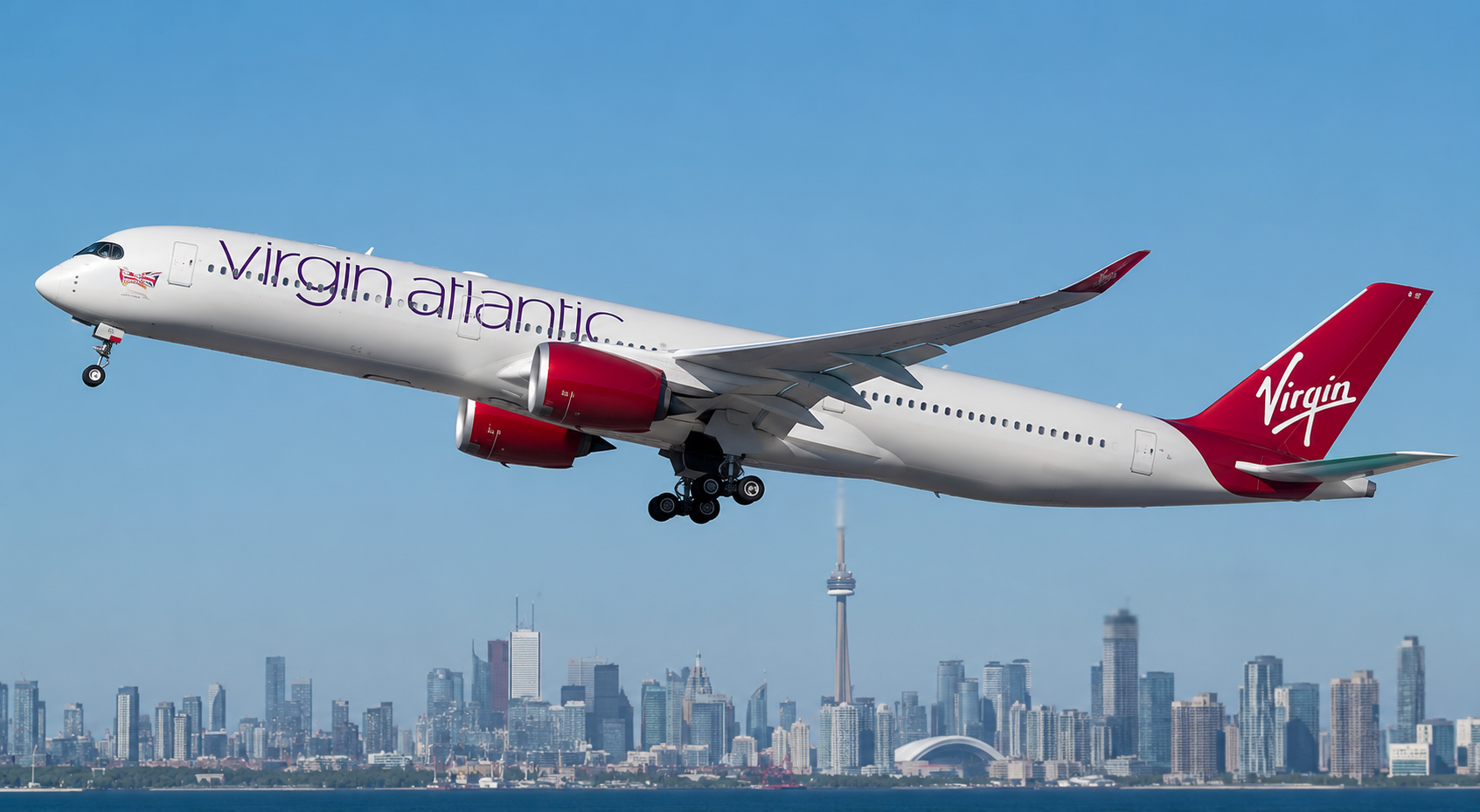
Several airlines have announced pricing adjustments designed to offset increased operating costs. Virgin Atlantic has indicated that fare increases may be necessary, while International Airlines Group (IAG), parent company of British Airways, has acknowledged modifications to its pricing strategy.
Meanwhile, carriers with weaker balance sheets face a more difficult environment. Budget airlines, which rely heavily on cost discipline and low fares, are particularly sensitive to fuel price spikes.
The industry’s challenges extend beyond Europe. Airlines worldwide are confronting the same supply uncertainties, creating a highly competitive environment for securing available fuel supplies.
As demand for air travel remains robust, carriers face the difficult task of balancing passenger growth ambitions with rising operational expenses.
Safety Concerns Add Another Layer of Complexity
The fuel crisis is generating concerns that extend beyond pricing and supply.
The European Union Aviation Safety Agency (EASA) recently highlighted potential operational risks associated with changing fuel sourcing patterns.
Traditionally, airlines operating in Europe rely heavily on Jet A-1 fuel, the international standard used across most global aviation markets. However, prolonged shortages could increase dependence on supplies originating from the United States, where Jet A fuel is more common.
Although the two fuels are similar, Jet A possesses a higher freezing point than Jet A-1. This distinction becomes especially important during long-haul flights over polar and high-altitude routes where extremely low temperatures are encountered.
EASA has warned that any transition involving mixed fuel supplies could create operational challenges. Incorrect assumptions regarding fuel grades, labeling errors, or dispatch planning mistakes could introduce avoidable safety risks.
To mitigate these concerns, regulators are urging airports, fuel suppliers, and airlines to strengthen quality-control procedures, improve crew training, and ensure accurate fuel-grade identification throughout the supply chain.
A Crisis Exposing Structural Weaknesses
Many industry observers believe the current disruption is revealing deeper vulnerabilities that have existed within aviation fuel markets for years.
Despite repeated efforts to diversify energy sources and improve supply-chain resilience, airlines remain heavily dependent on a relatively small number of refining hubs and transportation corridors.
The concentration of refining capacity in key regions leaves the industry exposed whenever geopolitical events disrupt normal trade flows. While airlines have invested heavily in fleet modernization and fuel efficiency improvements, their dependence on conventional kerosene remains overwhelming.
The crisis has also highlighted the limited flexibility available within the global refining sector. Producing aviation-grade fuel requires specialized infrastructure that cannot be expanded quickly in response to sudden demand shifts.
As a result, disruptions affecting one region can rapidly spread across international markets.
Sustainable Alternatives Remain Years Away
The ongoing fuel squeeze is also drawing renewed attention to aviation’s slow transition toward alternative energy sources.
Sustainable Aviation Fuel (SAF) has emerged as the industry’s primary decarbonization pathway, but production volumes remain a fraction of global demand. Current SAF output represents less than 1% of total aviation fuel consumption worldwide, leaving airlines overwhelmingly dependent on traditional petroleum-based products.
Other technologies, including synthetic fuels and hydrogen-powered aircraft, continue to advance but remain years away from widespread commercial deployment.
Hydrogen propulsion has demonstrated promising results in testing programs involving major aerospace manufacturers and engine developers. However, introducing hydrogen at scale would require extensive investments in airport infrastructure, storage systems, and aircraft redesign.
Similarly, synthetic fuels produced using renewable electricity offer long-term potential but remain significantly more expensive than conventional jet fuel.
These realities mean that airlines will continue relying primarily on kerosene for decades, reinforcing the importance of stable global fuel supply networks.
Long-Term Risks for European Aviation
Financial institutions and energy analysts increasingly believe that fuel market instability may become a persistent feature of the aviation landscape rather than a temporary disruption.
Among European countries, the United Kingdom is considered particularly vulnerable due to its reliance on imported fuel and relatively limited strategic reserves. Other nations with significant aviation sectors could also face heightened exposure if supply constraints intensify.
The broader concern is that airlines may be entering an era characterized by structurally higher fuel costs, tighter inventories, and more complex supply chains.
Even if tensions surrounding the Strait of Hormuz ease in the coming months, the events of 2026 have underscored how quickly geopolitical shocks can ripple through global aviation.
For airline executives gathering at the upcoming IATA Annual General Meeting, fuel security is likely to rank alongside fleet availability, supply-chain bottlenecks, and sustainability targets as one of the industry’s defining challenges.
The immediate crisis may eventually pass, but the vulnerabilities it has exposed could shape aviation strategy for years to come. As airlines navigate an increasingly uncertain geopolitical environment, securing reliable and affordable fuel supplies may prove just as important as attracting passengers in determining future success.
For more on Europe, see: Europe Airlines Battle Fuel Surge as Iran War Bites







Leave a Reply