

Air Canada Expands Airbus A321XLR Network Across North America for Winter 2026
Air Canada is accelerating the rollout of its new Airbus A321XLR, with the airline planning a significant expansion of the aircraft’s network throughout the 2026/27 Northern Winter season. The long-range narrowbody will operate on a growing mix of domestic, U.S., and Caribbean routes, reflecting the carrier’s strategy of deploying one of aviation’s most versatile aircraft across markets where efficiency, flexibility, and premium passenger experience matter most.
The latest schedule updates indicate that the A321XLR will become an increasingly familiar sight at Montreal-Trudeau International Airport and Toronto Pearson International Airport, serving everything from busy Canadian business corridors to long-haul leisure destinations. Rather than limiting the aircraft to transatlantic missions, Air Canada is taking advantage of its impressive range and lower operating costs to optimize capacity across multiple markets.
The expansion comes as the airline prepares for continued growth following a strong summer season, during which it expects to carry more than one million passengers in a single week while operating flights to over 50 destinations across Canada.
A321XLR Becomes a Key Part of Air Canada’s Fleet Strategy
Since introducing the Airbus A321XLR into its fleet, Air Canada has made it clear that the aircraft will play a central role in its long-term network planning.
Unlike traditional narrowbody aircraft, the A321XLR combines transatlantic range with the economics of a single-aisle jet. This allows airlines to serve routes that would be uneconomical with larger widebody aircraft while offering passengers a premium onboard experience.
For Air Canada, that flexibility extends well beyond international flying.
The carrier is increasingly positioning the A321XLR on domestic trunk routes, transcontinental services, popular U.S. destinations, and seasonal Caribbean flights. This diversified deployment enables the airline to maximize aircraft utilization while carefully matching capacity with demand throughout the year.
With its modern fuel-efficient engines, reduced operating costs, and premium cabin configuration featuring lie-flat Business Class seats, the aircraft offers a compelling alternative to both older narrowbody aircraft and larger twin-aisle jets.
Montreal Leads the Initial Expansion
Montreal will become the primary hub for many of the new Airbus A321XLR services during the upcoming winter schedule.
One of the most notable additions is Bridgetown, Barbados, where the aircraft will operate five weekly flights between 3 December and 31 December 2026. The Caribbean remains one of Air Canada’s strongest seasonal leisure markets, and the A321XLR provides the ideal balance of range and capacity for winter sun destinations.
Replacing larger aircraft or older narrowbodies on these routes enables the airline to lower fuel consumption while maintaining premium service during peak holiday demand.
Closer to home, the A321XLR will also operate four weekly flights between Montreal and Halifax beginning 18 December 2026 under flight numbers AC670 and AC665.
Although significantly shorter than many of the aircraft’s long-range missions, the Halifax route demonstrates how Air Canada intends to use the aircraft across high-volume domestic markets where passengers can benefit from upgraded cabins and additional premium seating.
Premium Experience Arrives on Domestic Flights
One of the most distinctive aspects of Air Canada’s Airbus A321XLR is its passenger cabin.
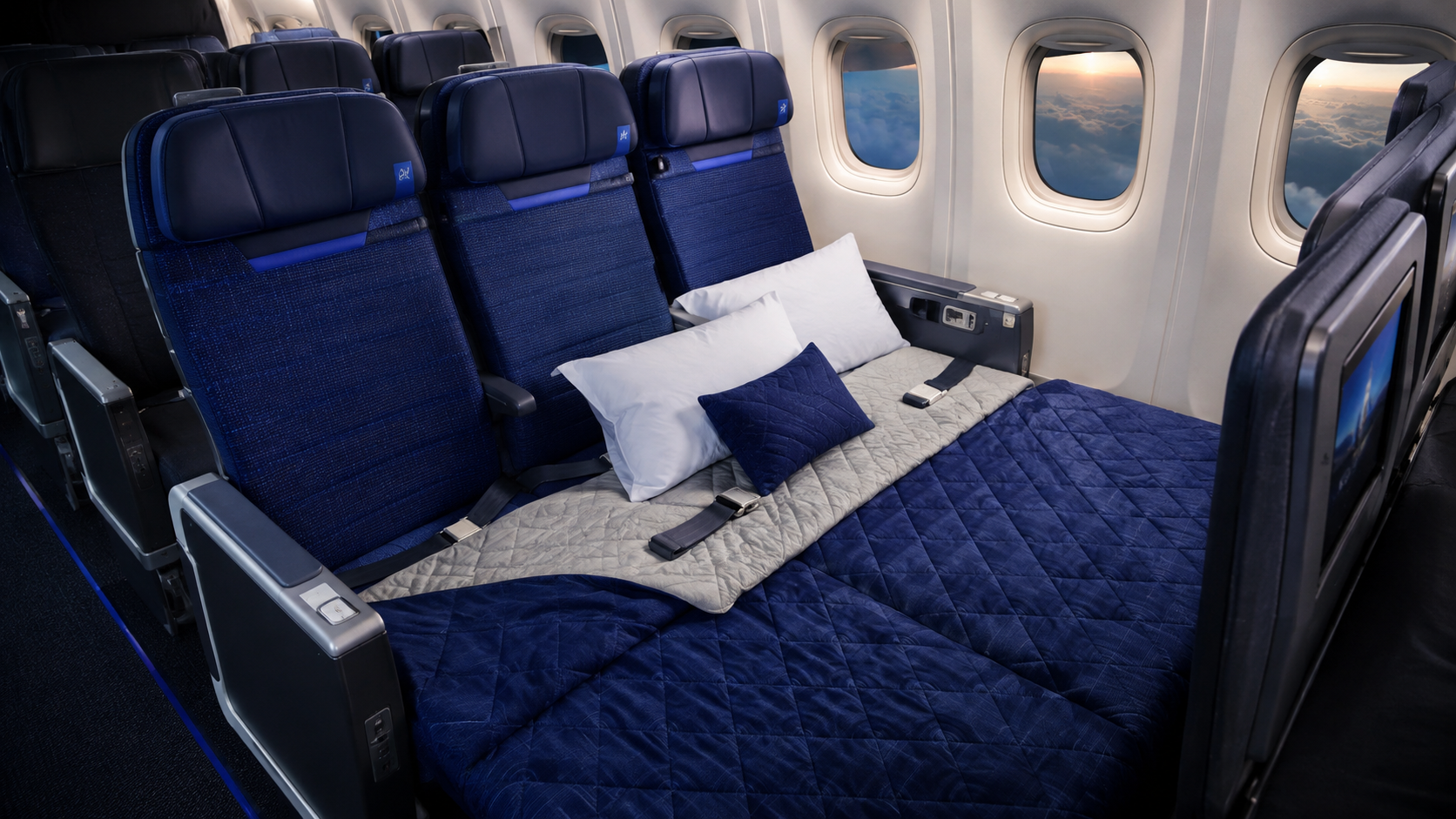
Unlike many traditional narrowbody aircraft, the A321XLR has been configured with features typically associated with long-haul widebody operations. The inclusion of lie-flat Business Class seats creates a more comfortable experience for travellers flying on Canada’s busiest domestic and transcontinental routes.
For business travellers travelling between major Canadian cities, the aircraft offers a noticeable improvement over previous narrowbody products.
Deploying the aircraft on domestic services also allows Air Canada to familiarize crews with the new fleet type while gradually increasing utilization before assigning more long-haul international missions.
This phased introduction mirrors strategies used by many global airlines when adding new aircraft families to their operations.
Los Angeles and San Francisco Receive More A321XLR Flights
The United States will remain a major focus for Air Canada’s Airbus A321XLR expansion.
Flights between Montreal and Los Angeles will be split across two separate services.
The AC775/776 rotation will operate four times per week starting 25 October 2026, although service will pause temporarily between the end of November and the conclusion of the year.
Meanwhile, the AC781/774 flights will transition to daily Airbus A321XLR operations from 15 November 2026, providing additional premium capacity on one of Air Canada’s most important transcontinental U.S. routes.
The West Coast expansion continues with daily Montreal–San Francisco flights, scheduled to begin 15 January 2027.
Both California destinations represent ideal markets for the aircraft, offering enough passenger demand to support frequent service without requiring larger widebody aircraft throughout the year.
The aircraft’s lower trip costs also provide greater scheduling flexibility, allowing Air Canada to increase frequencies where demand supports additional flights.
Domestic Network Gains Additional Flexibility
Air Canada is also introducing the Airbus A321XLR onto several important Canadian routes during the winter period.
Between 21 December 2026 and 5 January 2027, the aircraft will operate a weekly service between Montreal and Ottawa, offering travellers an opportunity to experience the airline’s newest cabin product on one of Canada’s busiest short-haul sectors.
Meanwhile, flights between Montreal and Toronto Pearson will see two to three weekly Airbus A321XLR services from 25 October 2026 through early January 2027.
The Montreal-Toronto corridor remains one of Canada’s highest-frequency business markets, making it an ideal testing ground for the aircraft’s premium configuration.
Travellers who previously expected widebody comfort only on long-haul flights will now experience lie-flat seating and upgraded interiors on much shorter journeys.
Toronto Expands Its A321XLR Operations
Toronto Pearson will also see growing Airbus A321XLR activity throughout the winter schedule.
Beginning 16 December 2026, the aircraft will operate daily flights between Toronto and Calgary using services AC133 and AC142.
The Calgary route remains one of Canada’s busiest domestic sectors, serving both corporate and leisure traffic throughout the year.
In addition, Toronto–Los Angeles flights will transition to Airbus A321XLR service beginning 15 December 2026, operating under flight numbers AC791 and AC794.
These deployments reinforce Air Canada’s strategy of using the aircraft wherever premium demand exists, regardless of whether the route is domestic, transborder, or international.
Flexibility Remains the A321XLR’s Biggest Advantage
Air Canada executives have consistently described the Airbus A321XLR as one of the most strategically important aircraft entering the fleet.
Rather than viewing it solely as a long-haul aircraft, the airline sees it as a platform capable of serving two distinct purposes.
First, it opens new long-range markets that would be difficult to support economically using widebody aircraft.
Second, it enables higher frequencies on existing routes while reducing operating costs and improving profitability.
This flexibility is especially valuable as airlines continue adapting to changing travel demand, fluctuating fuel prices, and ongoing aircraft delivery delays affecting manufacturers worldwide.
Instead of committing a larger aircraft to every route, Air Canada can tailor capacity more precisely while maintaining a premium passenger experience.
Supporting Growth Across Canada’s Network
The Airbus A321XLR expansion coincides with one of Air Canada’s busiest travel periods.
The airline recently launched its 2026 summer schedule, serving more than 50 destinations across Canada, with expectations of carrying over one million passengers during the opening week of the season.
The expanded domestic network supports leisure travel, business trips, family reunions, and tourism across every region of the country.
According to Tom Stevens, Vice President of Customer Experience and Service Operations, summer remains one of the airline’s most important travel periods, with teams focused on delivering a welcoming Canadian experience for travellers exploring destinations both at home and abroad.
To accommodate increased passenger volumes, Air Canada has also enhanced services across several airports.
Eligible travellers can access upgraded Maple Leaf Lounges in Montreal, expanded Air Canada Cafés in Vancouver, Montreal, and Québec City, along with Signature Suites in Toronto and Vancouver for premium international passengers.
Enhanced Customer Experience Beyond the Aircraft
Air Canada’s investment extends beyond its fleet modernization.
Beginning 1 July, passengers travelling on international flights departing Canada will receive complimentary beer, wine, premium snacks, and a broader selection of Canadian products, including beverages and locally produced treats.
Signature Class travellers will also receive newly redesigned amenity kits supplied by Canadian company Hunter Amenities, featuring skincare products from Sahajan, reusable eye masks, and upgraded travel accessories.
Meanwhile, the airline continues expanding complimentary streaming-quality Wi-Fi for eligible Aeroplan members, Business Class passengers, and United MileagePlus members travelling across North America and Sun destinations.
The onboard entertainment catalogue has also grown, incorporating more Canadian programming designed to showcase the country’s culture and destinations.
Digital Technology Supports Busy Travel Seasons
Air Canada is continuing to invest heavily in digital services that simplify the passenger journey.
Its mobile application allows travellers to complete online check-in, receive boarding passes, monitor real-time flight information, track checked baggage where available, and manage Aeroplan accounts from a single platform.
According to Carlos Faxas, Vice President of Digital Products, these technologies allow customers to travel with greater confidence while enabling airport and inflight teams to focus on delivering a smoother overall experience.
The airline continues encouraging passengers to check in online before arriving at the airport and to allow sufficient time for baggage drop and security screening during peak travel periods.
Preparing for the Next Phase of Growth
Although the Airbus A321XLR has already begun operating selected international services, Air Canada is clearly taking a measured approach to introducing the aircraft across its network.
Deploying it first on domestic and transborder routes allows the airline to build operational familiarity while gradually expanding into additional long-haul markets as more aircraft arrive.
The strategy also provides greater flexibility when managing its existing fleet of narrowbody and widebody aircraft, ensuring each aircraft type is deployed where it delivers the greatest economic benefit.
As additional Airbus A321XLRs enter service over the coming years, passengers can expect to see the aircraft operating an even broader mix of destinations across North America, Europe, and the Caribbean.
With its combination of long-range capability, lower operating costs, modern passenger amenities, and premium cabin design, the A321XLR is quickly becoming one of the most important tools in Air Canada’s future fleet strategy, helping the airline improve efficiency while offering travellers a more comfortable experience across an expanding network.
For more on Air Canada, see: Air Canada Tweaks Seoul Flights With 787 Swap










Leave a Reply