
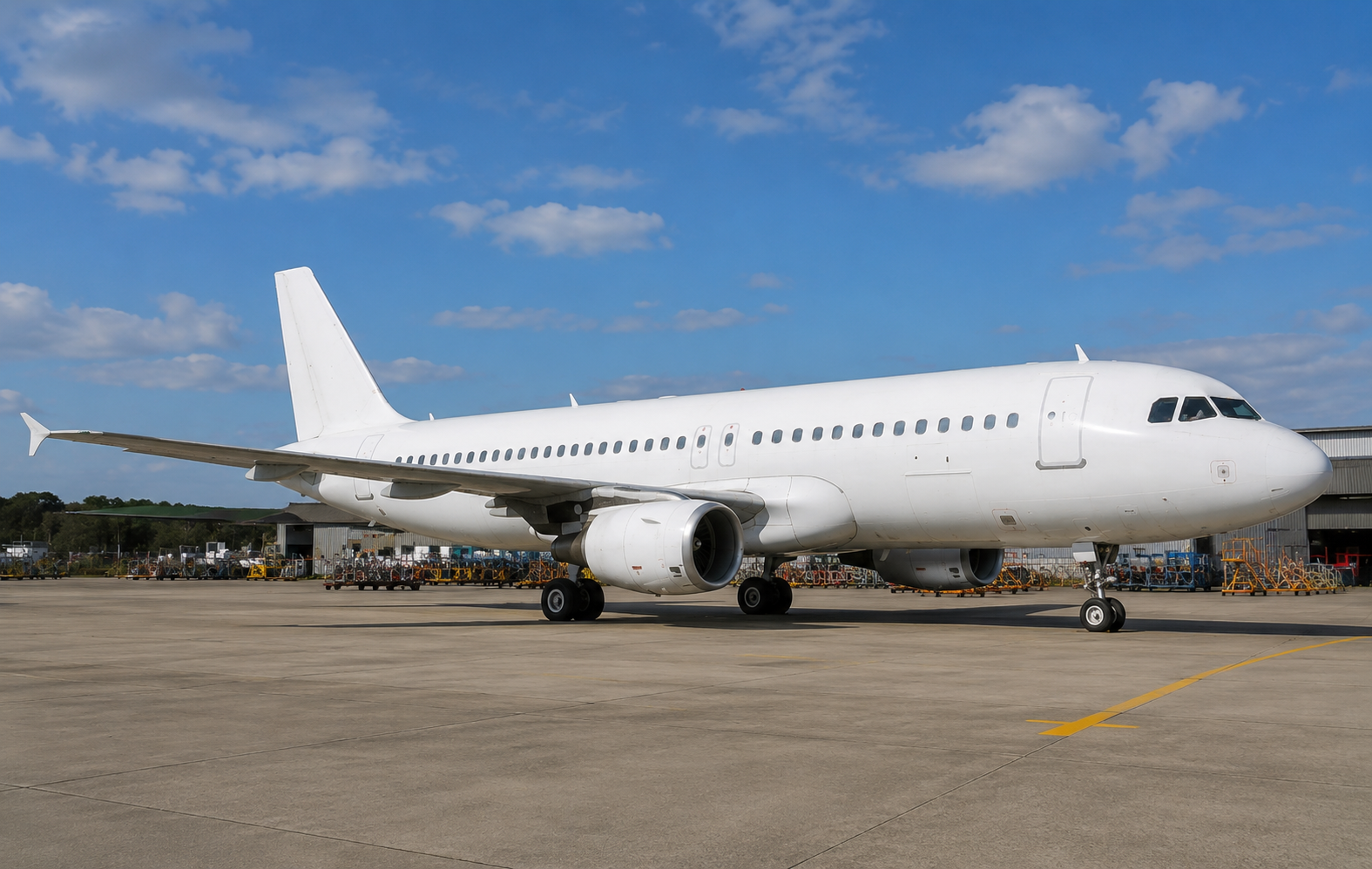
Werner Aero is continuing to build its presence in the Airbus A320 aftermarket with the acquisition of two A320-200 airframes during August.
The company has acquired MSN 2964, currently located at eCube’s facility in St Athan, Wales, and MSN 3383, which is at Ascent’s facility in Tucson, Arizona. The two aircraft will add to Werner Aero’s growing A320-family aircraft asset and teardown portfolio.
For the aviation aftermarket, the purchases are significant because they give Werner Aero access to additional components and materials that can be recovered from retired aircraft and supplied to customers around the world.
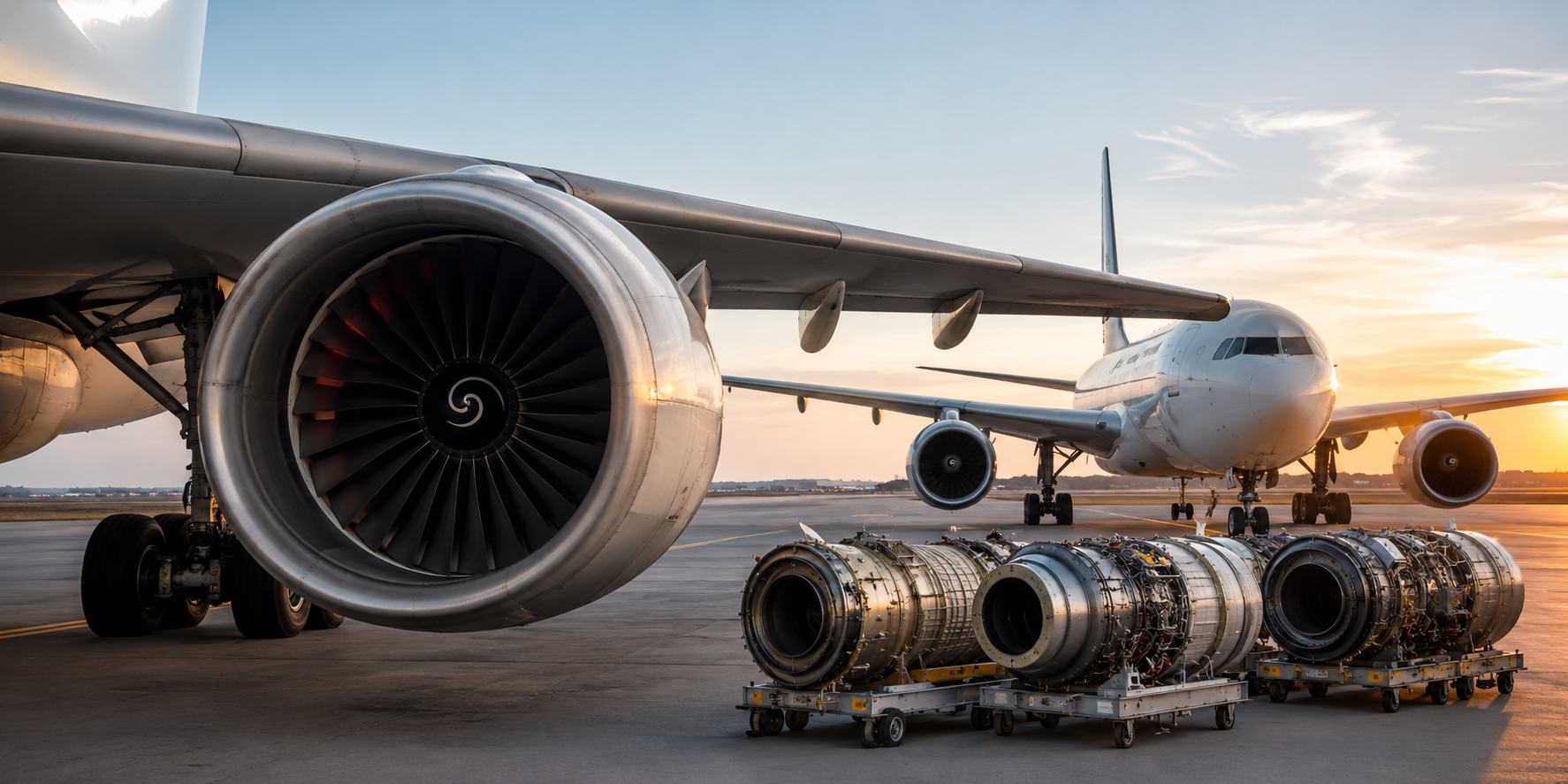
MSN 2964 will be dismantled for spare parts at eCube’s St Athan facility. Serviceable components and other usable material recovered during the process will be made available to airlines, lessors, maintenance, repair and overhaul (MRO) providers and other aviation customers.
MSN 3383 will also join Werner Aero’s aircraft asset and teardown portfolio, adding another A320-family airframe to the company’s inventory.
Werner Aero builds its A320 aftermarket presence
The latest purchases are part of a broader expansion of Werner Aero’s aircraft asset strategy.
Rather than being isolated transactions, the two August acquisitions add to a series of recent Airbus narrowbody deals by the company. Werner Aero also acquired Airbus A320-200 MSN 3282 in July, with that aircraft likewise intended to support the company’s component and aftermarket activities.
The growing number of A320-family airframes entering Werner Aero’s portfolio reflects the importance of the type in the global commercial aircraft market.
The Airbus A320 family has a huge worldwide operator base, which in turn creates consistent demand for replacement parts. Even as individual aircraft are retired, thousands of other A320-family aircraft remain in service and require regular maintenance, repairs and component replacements.
That creates an opportunity for companies specializing in aircraft teardown and used serviceable material.
When an aircraft is dismantled, components that still have useful service life can potentially be recovered, inspected and returned to the aftermarket. This can give operators and MRO providers another option when sourcing parts for aircraft undergoing maintenance.
For Werner Aero, acquiring complete airframes provides a way to increase the depth of its component inventory while strengthening its ability to support customers with A320-family requirements.
Two A320s expand global supply reach
The locations of the two newly acquired aircraft also underline Werner Aero’s international approach.
MSN 2964 is positioned at eCube’s facility in St Athan, one of Europe’s established aircraft end-of-life and teardown locations. The facility specializes in aircraft storage, disassembly and recycling, making it a suitable base for recovering components from the A320.
MSN 3383, meanwhile, is located at Ascent’s facility in Tucson, Arizona.
Having aircraft assets in both Europe and North America gives Werner Aero access to component inventories across two major aviation markets. It also fits with the company’s broader focus on aircraft asset management and logistics.
For airlines and MRO providers, the value of an aftermarket supplier is not simply determined by how many parts it has available. Location, certification, logistics and the ability to respond quickly to customer requirements can all play an important role.
Werner Aero’s expanding aircraft portfolio gives it another avenue for addressing those requirements.
A320 demand supports teardown activity
The continued popularity of the A320 family is one of the main reasons the platform remains attractive to aircraft asset managers and teardown specialists.
The A320-200 has been in commercial service for decades, meaning some aircraft are now reaching retirement age even though the broader A320 fleet remains heavily used.
This creates an interesting dynamic for the aftermarket. Older aircraft can leave airline fleets while their components continue to have value because replacement parts are still required by other aircraft of the same type.
For airlines, using serviceable components recovered from retired aircraft can also provide an alternative to sourcing exclusively from new production, depending on the component and applicable certification requirements.
That makes aircraft teardown an important part of the wider commercial aviation supply chain.
Werner Aero’s latest acquisitions put more A320-family material into that supply chain and increase the company’s ability to serve customers looking for components and aftermarket support.
Werner Aero strengthens its aircraft asset portfolio
Werner Aero provides aircraft asset management and logistics solutions to airlines and aviation customers worldwide. The company specializes in several major commercial aircraft families, including the Airbus A320, Boeing 737NG, Embraer E-Jet and Bombardier CRJ platforms.
The company is a wholly owned subsidiary of Sumitomo Corporation Group and operates internationally through offices across the globe.
Its latest A320 acquisitions fit closely with this business model.
Tony Kondo, President and CEO of Werner Aero, said the additions strengthen the company’s ability to provide customers with quality components and responsive aftermarket support.
That focus is particularly relevant as airlines and MRO providers continue to manage the challenge of keeping aircraft in service while securing the parts needed for maintenance.
The company is also ISO 9001-certified and an FAA AC 0056B-approved supplier, supporting its position within the aviation aftermarket.
More than another aircraft acquisition
On the surface, Werner Aero’s purchase of two A320-200 airframes may appear to be another pair of aircraft transactions. The bigger story, however, is what those aircraft represent once they enter the company’s asset and teardown pipeline.
MSN 2964 will soon be dismantled, turning an aircraft that is no longer required in its current form into a potential source of components and materials for other aircraft.
MSN 3383 adds another airframe to the pipeline, giving Werner Aero further A320-family assets to work with.
The acquisitions also come after other recent A320 activity from the company, making the latest deals part of a wider effort to expand its presence in the aircraft aftermarket.
With A320-family aircraft continuing to form a major part of airline fleets worldwide, the demand for components is unlikely to disappear simply because individual aircraft are retired.
For Werner Aero, that creates a clear opportunity: acquire aircraft at the right stage of their lifecycle, recover valuable components and use its global logistics and aftermarket network to put those parts where they are needed.
The two August acquisitions therefore strengthen more than just Werner Aero’s aircraft inventory. They expand its potential supply of A320-family components at a time when reliable aftermarket support remains crucial to keeping commercial aircraft flying.
For more on Werner Aero, see: Werner Aero Boosts Airbus A320 Aftermarket Inventory


Leave a Reply