

International Airlines Group has moved to deepen its footprint in the aircraft maintenance market, securing a Premier MRO licence from CFM International for both LEAP-1A and LEAP-1B engines. The agreement elevates Iberia’s long-standing maintenance base in Madrid into a critical part of CFM’s global support network, at a time when demand for next-generation engine services is building momentum.
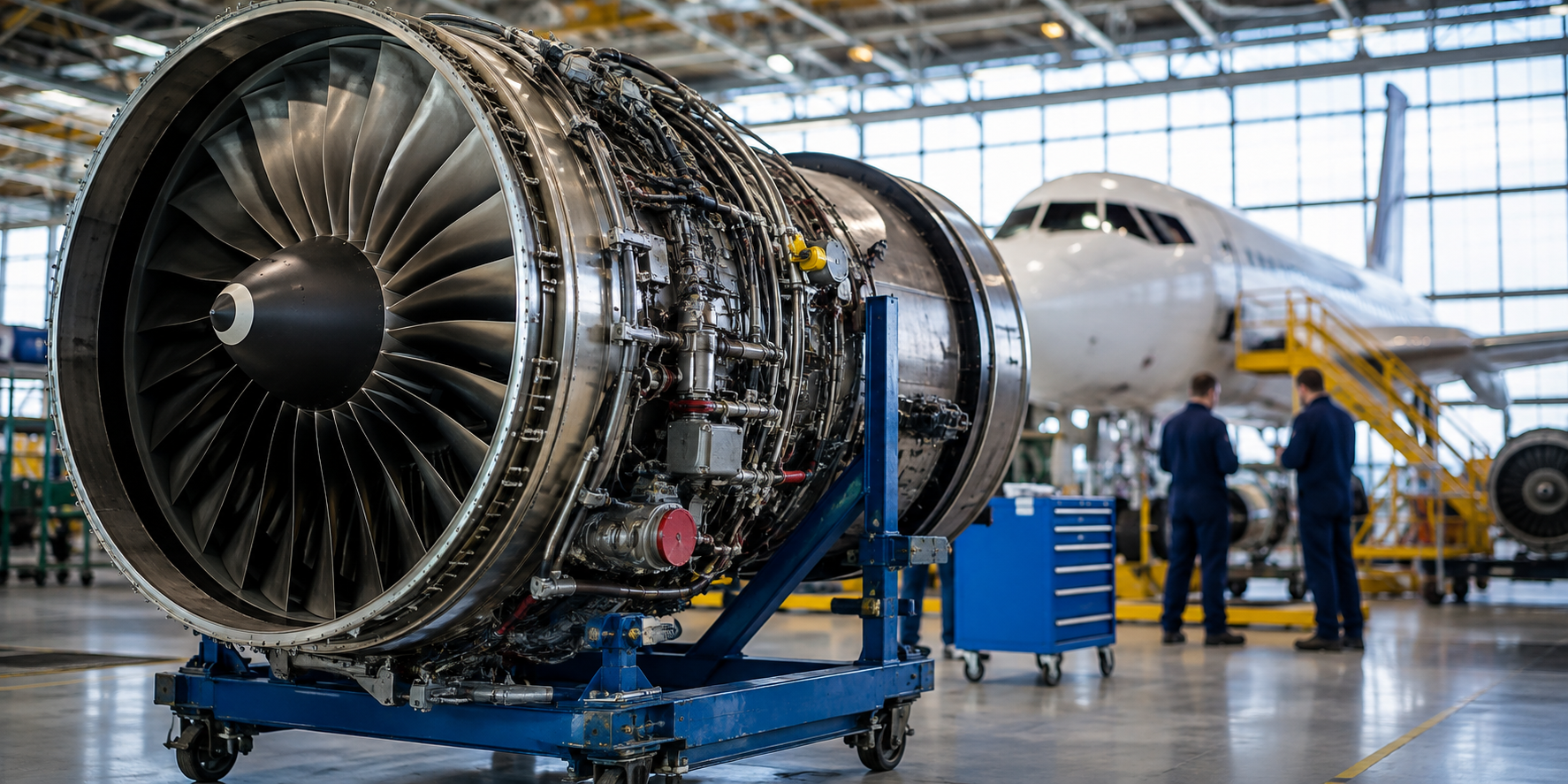
The deal centres on Iberia’s La Muñoza facility, located near Madrid-Barajas Airport. For decades, the site has handled a mix of narrowbody and widebody engine work, but this agreement shifts its trajectory. It is now being positioned to support one of the fastest-growing engine families in commercial aviation—powering aircraft such as the Airbus A320neo and Boeing 737 MAX.
A Calculated Move Into Engine Aftermarket Growth
This is not simply a technical upgrade. It reflects a broader recalibration by IAG, which is looking to capture more value from the aviation aftermarket. Engine maintenance, particularly on newer platforms, has become one of the most profitable segments of the industry. Margins tend to be more stable than airline operations, and demand is tied less to ticket sales and more to fleet utilisation.
The LEAP engine programme sits at the centre of that opportunity. With over 4,600 engines already in service and thousands more scheduled for delivery, the installed base is expanding at a pace that is difficult for the current MRO ecosystem to match. By the end of the decade, the number of engines requiring regular shop visits is expected to multiply significantly.
For IAG, the timing matters. Entering the LEAP maintenance segment now allows the group to build capability ahead of peak demand. Waiting longer would mean competing for limited capacity slots and facing a more crowded field of established providers.
Building Out Madrid’s Role
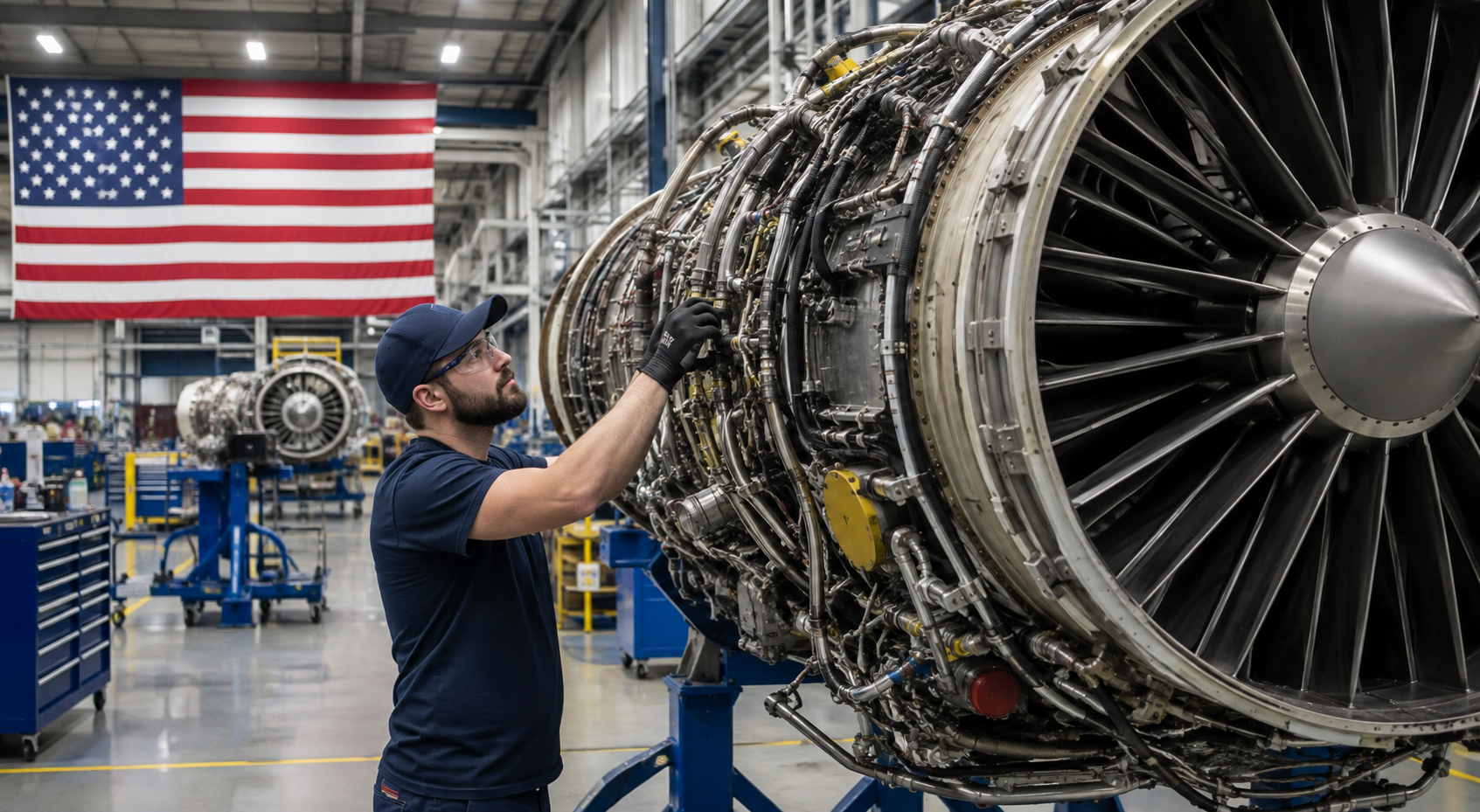
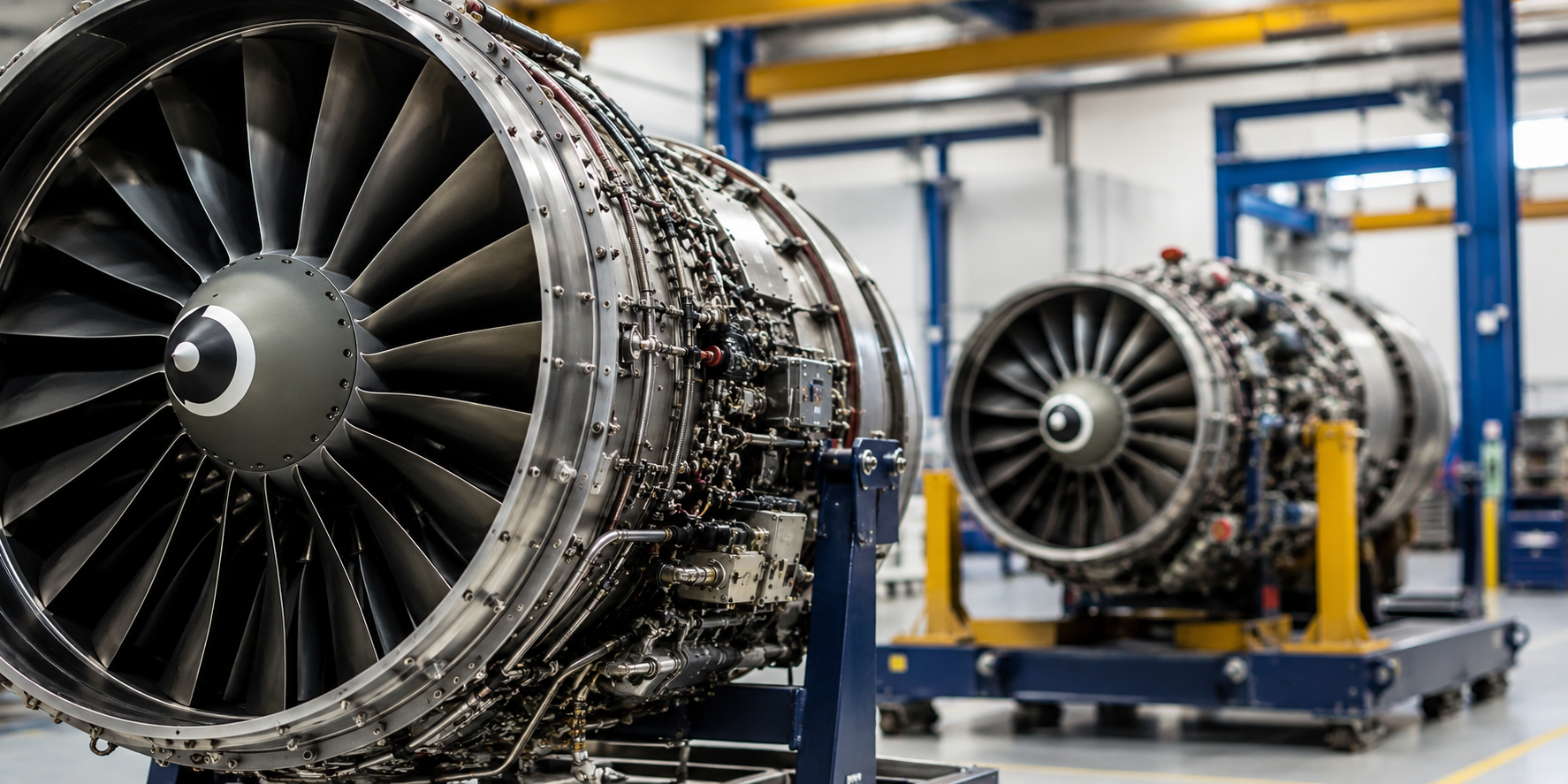
At La Muñoza, the transition to LEAP maintenance will happen in stages. Initial engine inductions are planned for the first quarter of 2027, giving Iberia time to scale up infrastructure, tooling, and workforce training. Unlike older engine types, LEAP engines require specialised handling, particularly due to their use of advanced materials such as ceramic matrix composites and carbon fibre fan blades.
These materials improve fuel efficiency and durability but complicate repair processes. As a result, MRO providers need both certification from the manufacturer and significant investment in new inspection and repair techniques.
Rather than rushing to full capacity, Iberia is expected to take a phased approach. Early work will likely focus on lighter maintenance tasks and modular repairs, before moving into full overhauls as experience and throughput increase. This approach reduces operational risk while allowing the facility to adapt to real-world demand patterns.
The workforce dimension is equally important. Transitioning to LEAP engines requires retraining engineers and technicians, particularly in areas such as advanced diagnostics and digital monitoring systems. These engines generate large volumes of performance data, and effective maintenance increasingly depends on how well that data is interpreted.
Strengthening CFM’s Global Network
From CFM’s perspective, expanding its MRO network is a matter of necessity rather than choice. The joint venture between GE Aerospace and Safran Aircraft Engines has built its aftermarket strategy around a mix of in-house and licensed providers. This ensures global coverage while maintaining consistent service standards.
Adding Iberia into the Premier MRO tier strengthens that model in Europe, a region where fleet density is high and maintenance demand is expected to grow steadily. Madrid’s geographic position also adds flexibility, offering efficient access to operators in Europe, Latin America, and parts of Africa.
The broader issue CFM is addressing is capacity. As LEAP engines age, they will require more intensive maintenance, including full performance restorations and major component replacements. Without sufficient MRO capacity, airlines risk longer turnaround times and reduced aircraft availability—both of which have direct financial consequences.
Strategic Value for IAG
For IAG, the benefits extend beyond technical capability. Developing in-house LEAP maintenance allows the group to exert greater control over one of its largest cost centres. Engine overhauls can run into millions of dollars per visit, and availability of maintenance slots often dictates fleet planning decisions.
By bringing that capability closer to home, IAG can better manage maintenance schedules, reduce reliance on third parties, and limit exposure to market bottlenecks. At the same time, the ability to service third-party operators opens a new revenue stream, effectively turning a cost centre into a profit generator.
This aligns with a wider shift across the airline industry, where large groups are increasingly investing in technical services as a way to diversify income. Carriers such as British Airways and Vueling, both part of the IAG portfolio, stand to benefit directly from improved access to maintenance capacity.
A Market Moving Toward Scale and Specialisation
The LEAP engine’s rapid adoption is reshaping the MRO landscape. Its efficiency advantages—typically in the range of 15% lower fuel burn compared with previous-generation engines—have made it the default choice for new narrowbody aircraft. But that efficiency comes with increased technical complexity, raising the bar for maintenance providers.
As a result, the market is shifting toward fewer, more specialised players with OEM backing. Certification standards are stringent, and airlines are increasingly selective about where they send engines for overhaul. Reliability, turnaround time, and technical expertise all carry significant weight.
By securing a Premier MRO licence, Iberia moves into that upper tier of providers. It gains not only the technical authority to work on LEAP engines but also the credibility that comes with OEM endorsement. That distinction is likely to become more valuable as demand intensifies.
Looking Ahead
The first LEAP engine inductions at Madrid in 2027 will mark the beginning of a longer-term build-out. By that point, the global fleet of LEAP-powered aircraft will be significantly larger, and maintenance demand will be starting to accelerate.
Over the following years, the challenge will be scaling capacity in line with that demand. For Iberia, success will depend on execution—how quickly it can ramp up operations, train personnel, and integrate new technologies into its workflow.
For IAG as a whole, the move represents a strategic bet on where value will be created in aviation over the next decade. Airlines will continue to compete on routes and pricing, but much of the industry’s profitability will increasingly come from what happens behind the scenes—maintenance, engineering, and asset management.
By positioning itself early in the LEAP MRO market, IAG is aiming to secure a foothold in that space before it reaches full maturity. If demand unfolds as expected, Iberia’s Madrid hub could become one of the more important nodes in Europe’s engine maintenance network, supporting both the group’s own fleet and a growing base of external customers.
For more on similar developments, see: WLFC, CFM Launch Program to Extend CFM56 Engine Life








Leave a Reply