
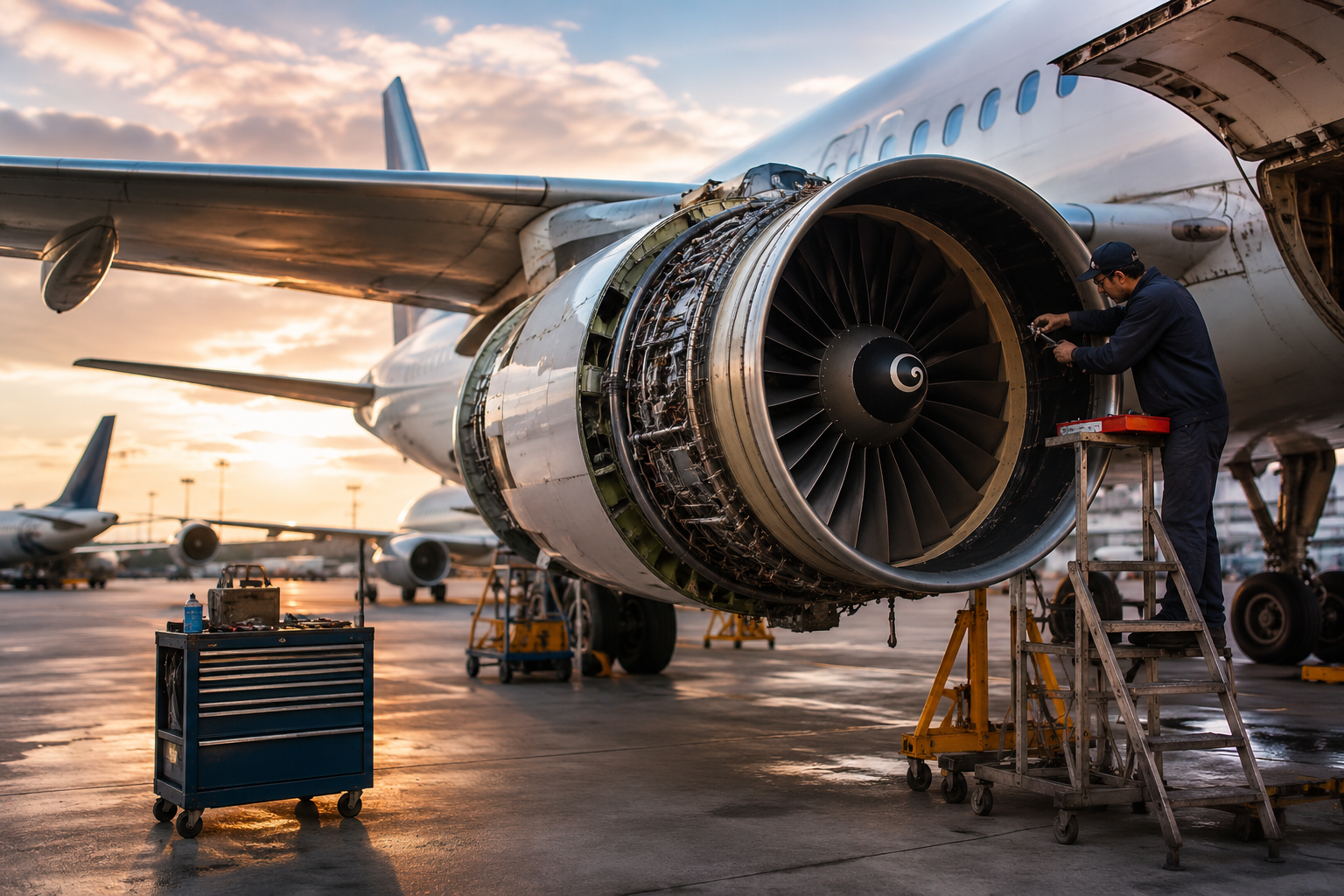
The worst of the aircraft engine grounding crisis may be passing. For airlines, however, that does not necessarily mean the financial damage is over.
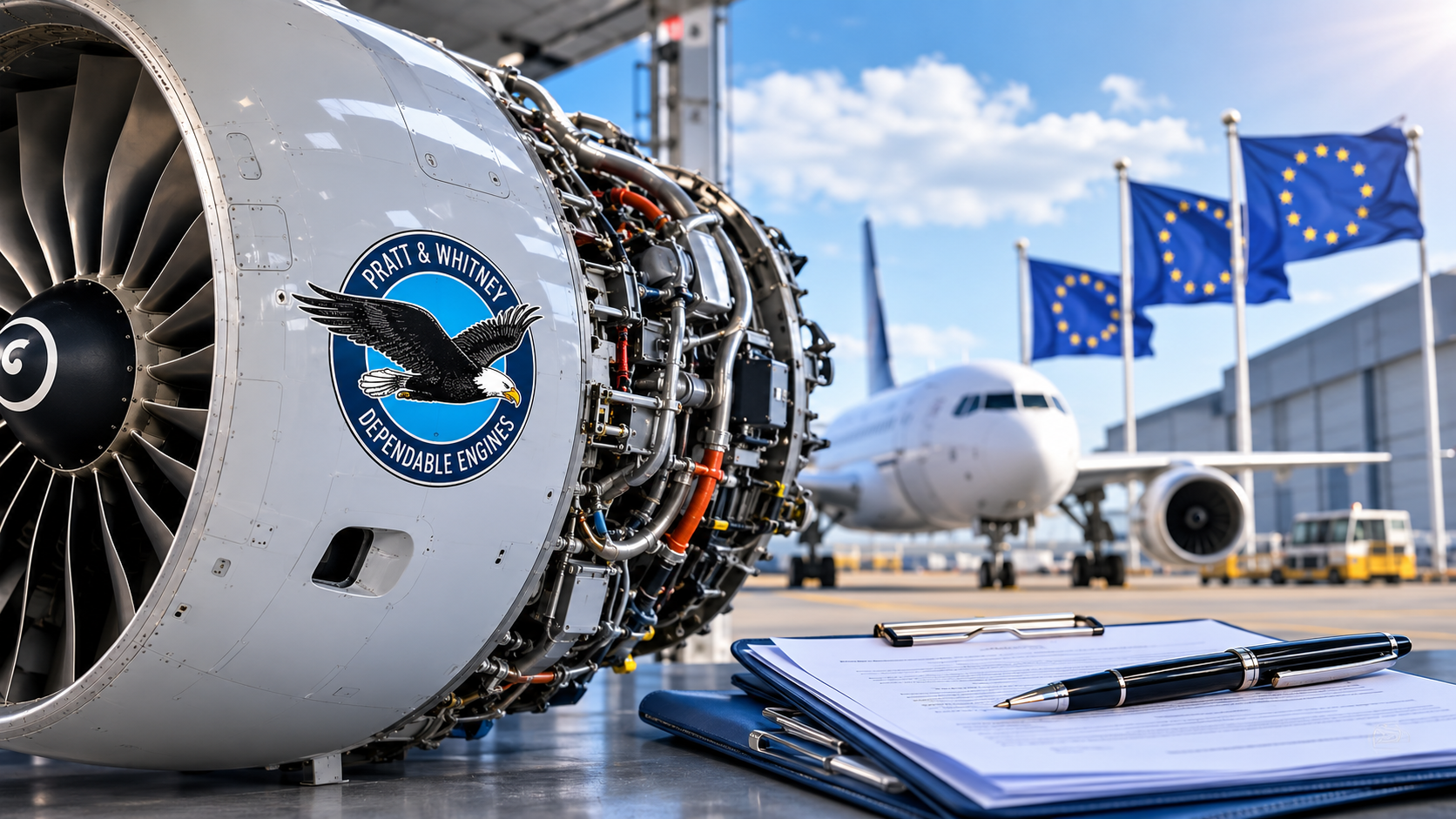
More aircraft are returning to service as repair shops increase output and engine manufacturers address some of the problems that caused widespread removals. Pratt & Whitney GTF groundings fell 25% in the first half of 2026, while GE Aerospace says the number of aircraft unavailable because of CFM LEAP engines is now close to zero.
That sounds like the kind of news airlines have been waiting for.
But there is a less encouraging side to the recovery. The costs created by the engine shortage are not disappearing at the same pace as the grounded aircraft.
Airlines have spent heavily on replacement engines, temporary aircraft, maintenance work and scarce parts to keep schedules running. Some are now discovering that getting an aircraft back in the air is only the first step. Getting rid of the financial commitments made during the crisis can take considerably longer.
That could make the aircraft engine crisis one of the industry’s more persistent cost problems, even as the number of jets sitting on the ground falls.
The grounding numbers tell only half the story
A Reuters analysis of U.S. Transportation Department data found that spending on engine labor, repairs and materials across six major U.S. airline operations increased about 68% between 2019 and 2025.
Flight activity did not come close to matching that increase. Hours flown rose by roughly 10% during the same period.
The pressure has continued into 2026. Reported spending in those engine-related categories increased 17% in the first quarter compared with a year earlier, while hours flown rose by less than 2%.
There are several reasons why maintenance spending can move around from year to year. Fleet age, aircraft cycles, the timing of engine shop visits and individual airline maintenance decisions can all affect the numbers. The available data also cannot identify exactly which engine program was responsible for the increase.
Even with those caveats, the gap is hard to ignore.
The industry has effectively entered a new stage of the crisis. Engine availability is improving, but the cost of keeping fleets operational remains elevated.
For airline executives, that distinction matters.
Airlines may still be paying for engines they no longer need
One of the biggest problems is the mismatch between engine repairs and engine leases.
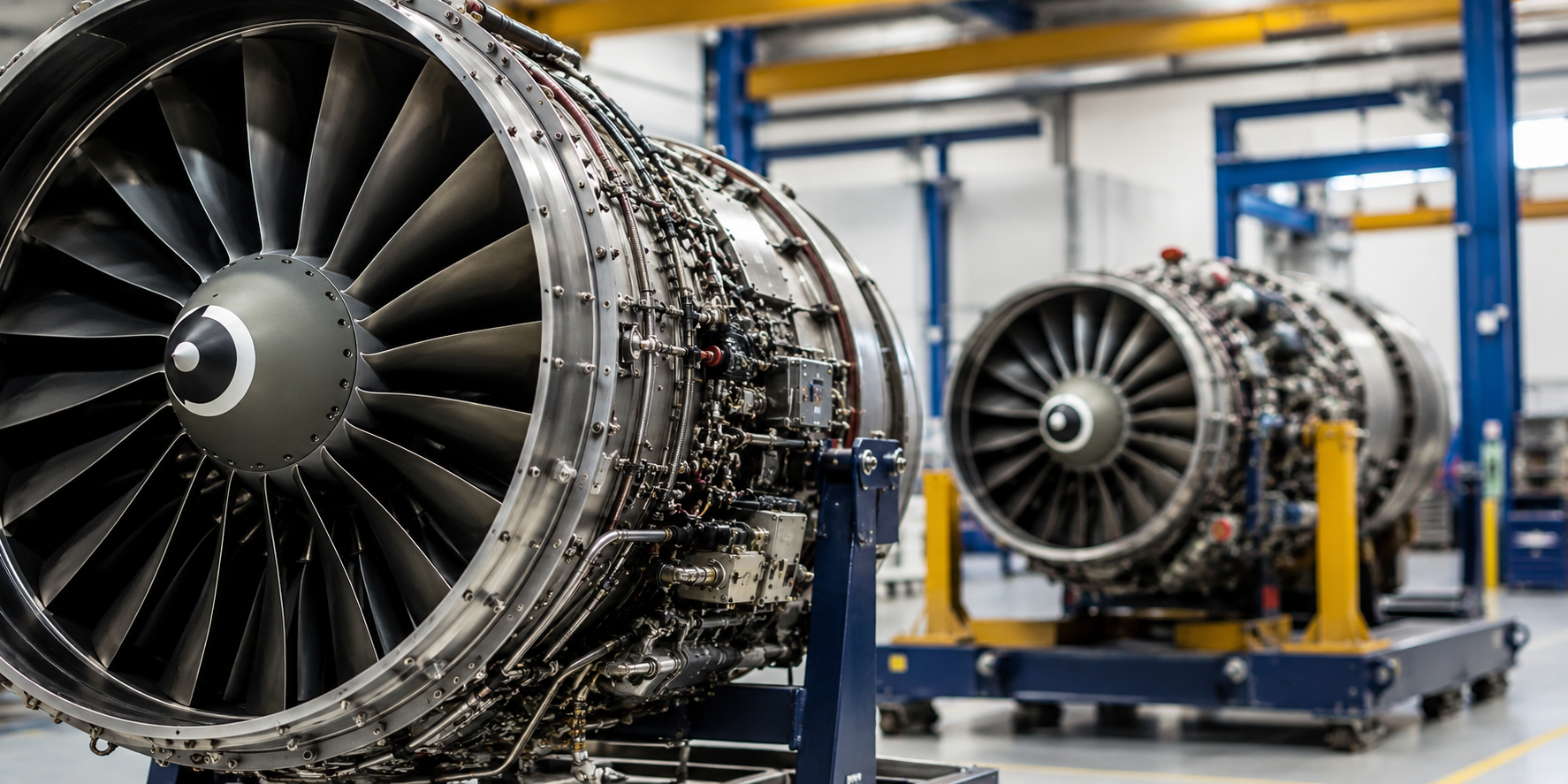
An engine can spend months inside a maintenance facility. The aircraft attached to it, meanwhile, still needs to fly. Airlines have increasingly turned to leased engines to bridge that gap.
JetBlue has said some Pratt & Whitney engines can require 200 to 300 days for a shop visit. Leasing a replacement allows the airline to keep the aircraft productive rather than waiting nearly a year for its original engine to return.
The complication comes when the original engine is finally repaired.
A lease does not necessarily end the moment the airline’s own engine comes back. Engine lessor Willis Lease Finance said airlines needing replacement engines have often signed contracts lasting about three years, while shorter agreements are frequently extended.
That creates an awkward situation for carriers.
An airline can have its aircraft fully operational and still be carrying a lease obligation that was created because of the grounding crisis.
The rates are not getting any cheaper, either. IBA data reported by Reuters showed completed short-term transactions for some LEAP and PW1100G engines above $6,500 per day during the past year. Comparable rates were around $5,000 a day in 2022 and 2023.
At $6,500 a day, one engine represents almost $2.4 million in annual rent before other contractual costs and maintenance reserves.
For an airline dealing with multiple replacement engines, the numbers add up quickly.
Air New Zealand shows how long the hangover can last
Air New Zealand offers a useful example of what happens after the immediate crisis begins to ease.
The airline had been forced to lease additional aircraft and engines after engine availability problems left a significant portion of its fleet unavailable. As availability improved, the operational picture became much healthier.
The financial commitments, however, did not disappear overnight.
Chief Executive Nikhil Ravishankar told Reuters that the airline could need another 12 to 18 months to unwind the additional aircraft and engine leases taken on to protect its schedule. Supplier compensation will cover only part of those expenses.
That timeline is important for the wider industry.
It suggests that airlines could continue reporting the effects of the engine crisis well after their grounding figures have improved dramatically.
For investors, analysts and airline managers, maintenance costs and lease expenses may therefore become more useful indicators of recovery than the aircraft-on-ground figure alone.
More engine repairs can actually mean higher costs
Pratt & Whitney’s recovery highlights another contradiction in the current market.
Repair capacity is improving. Pratt said PW1100G repair output increased 43% year over year in the second quarter, while turnaround times dropped 23%.
Those are encouraging figures.
But increasing the number of engines going through repair shops does not immediately reduce the industry’s maintenance bill.
Every engine entering a shop requires technicians, replacement components, inspections and materials. A faster repair network can return engines to airlines more quickly while still generating substantial invoices.
Reuters also reported that the share of heavier PW1100G repair work in the mix was 14 percentage points higher than a year earlier.
That helps explain why better turnaround times and higher repair output can exist alongside higher airline maintenance expenses.
The industry is not simply waiting for engines to come back. It is processing a large backlog of work that accumulated during years of supply and capacity constraints.
New engines bring a different maintenance challenge
The cost problem is not limited to Pratt & Whitney.
The newer generation of engines powering the Airbus A320neo and Boeing 737 MAX families are more fuel efficient, but their maintenance ecosystems are still developing.
That matters because parts and materials account for roughly 60% of the direct cost of a typical single-aisle engine overhaul, according to Oliver Wyman.
Older engines such as the CFM56 and V2500 have a major advantage: time.
They have been in service for decades. There are established repair techniques, large pools of experienced MRO providers and a substantial supply of used serviceable material from aircraft that have been retired or dismantled.
LEAP and GTF engines do not yet have the same depth of aftermarket support.
Fewer engines have reached retirement age, which means fewer are available to be dismantled for parts. Airlines consequently have fewer alternatives when they need components and can be more dependent on new parts.
Ascend by Cirium told Reuters that overhaul and mandatory parts-replacement costs for LEAP and GTF engines have increased about twice as much since 2019 as those for older CFM56 and V2500 engines.
That does not mean every newer engine overhaul costs twice as much. It points instead to the pace at which maintenance costs have risen as these newer programs mature.
Even the CFM56, one of aviation’s most established engine families, can produce a huge maintenance bill. A full CFM56-5B overhaul can exceed $10 million.
The difference is that airlines have far more options for sourcing parts and repairs.
Aircraft delivery delays are adding another layer
There is another problem sitting behind the engine bills: delayed aircraft deliveries.
Airlines often plan fleet retirements around the expected arrival of replacement aircraft. If a new Airbus or Boeing jet arrives late, an older aircraft may have to remain in service for months longer than planned.
That can push an engine into another expensive maintenance event.
Instead of retiring an aircraft before its next major overhaul, the airline may have no choice but to pay for the work and keep the aircraft flying.
Oliver Wyman and the International Air Transport Association estimated that delayed aircraft replacements could have added around $3.1 billion to global airline maintenance costs in 2025.
The problem extends into the used-parts market.
If fewer older aircraft are retired, fewer engines are dismantled. That reduces the amount of used serviceable material available to airlines and MRO providers.
So the delay in receiving a new aircraft can create two costs at once: the airline keeps paying to maintain the old aircraft, while the parts market loses some of the supply that could have helped contain those maintenance expenses.
LEAP groundings may be falling, but its maintenance cycle is changing
The CFM LEAP story is entering a different phase.
GE Aerospace CEO Larry Culp said in July that LEAP-related aircraft groundings had fallen close to zero. CFM is also introducing upgraded components designed to increase time on wing.
That is a significant improvement from the industry’s worst periods of engine-related disruption.
However, the end of large-scale groundings does not mean the LEAP maintenance story is finished.
The engine powers a large portion of the Boeing 737 MAX fleet and is one of the engine choices for the Airbus A320neo family. As those aircraft accumulate more flight cycles, more engines will naturally enter scheduled maintenance.
Airlines are already preparing for that reality.
IndiGo signed a memorandum of understanding with CFM covering LEAP-1A engines and repair capability, while Ryanair is developing additional in-house engine maintenance capacity.
These moves should not be interpreted as evidence that LEAP has the same technical problem as the GTF. They point to something broader: airlines increasingly view access to engine repair capacity as a strategic advantage.
A guaranteed shop slot can be just as important to an airline’s schedule as the aircraft itself.
The next measure of recovery will be the money
For several years, the simplest way to describe the engine crisis was to count grounded aircraft.
That number is still important, but it is becoming less useful on its own.
The next phase of the recovery will be measured in different ways: maintenance cost per flight hour, engine turnaround times, lease exits, time on wing, parts availability and the number of engines requiring major shop visits.
Those indicators will tell airlines whether the improvement in engine availability is actually reaching their bottom lines.
For JetBlue, the question is how quickly fewer grounded aircraft translate into fewer leased engines and lower costs. For Air New Zealand, the focus is on unwinding temporary leases. For United and American, it is whether the current wave of engine-overhaul spending eventually moderates.
Across the industry, Boeing and Airbus delivery schedules will also play a major role.
If new aircraft arrive on time, airlines can retire older jets and avoid some expensive maintenance events. If deliveries remain delayed, carriers may have to keep aging aircraft flying and send more engines into already busy repair networks.
That is why the aircraft engine crisis is not quite over.
The most visible part of the problem is improving. Jets are returning, repair shops are processing more engines and the number of aircraft sitting idle is falling.
The financial aftermath is moving much more slowly.
Airlines may have solved the immediate problem of keeping aircraft in the air, but they are still waiting for the cost of doing so to come back down.
In the end, the real recovery will not be measured by how many grounded aircraft return to service. It will be measured by how quickly airlines can stop paying for the crisis that put those aircraft on the ground in the first place.
For more on similar developments, see: Airbus–Pratt Dispute Deepens Over Engine Delays





Leave a Reply