
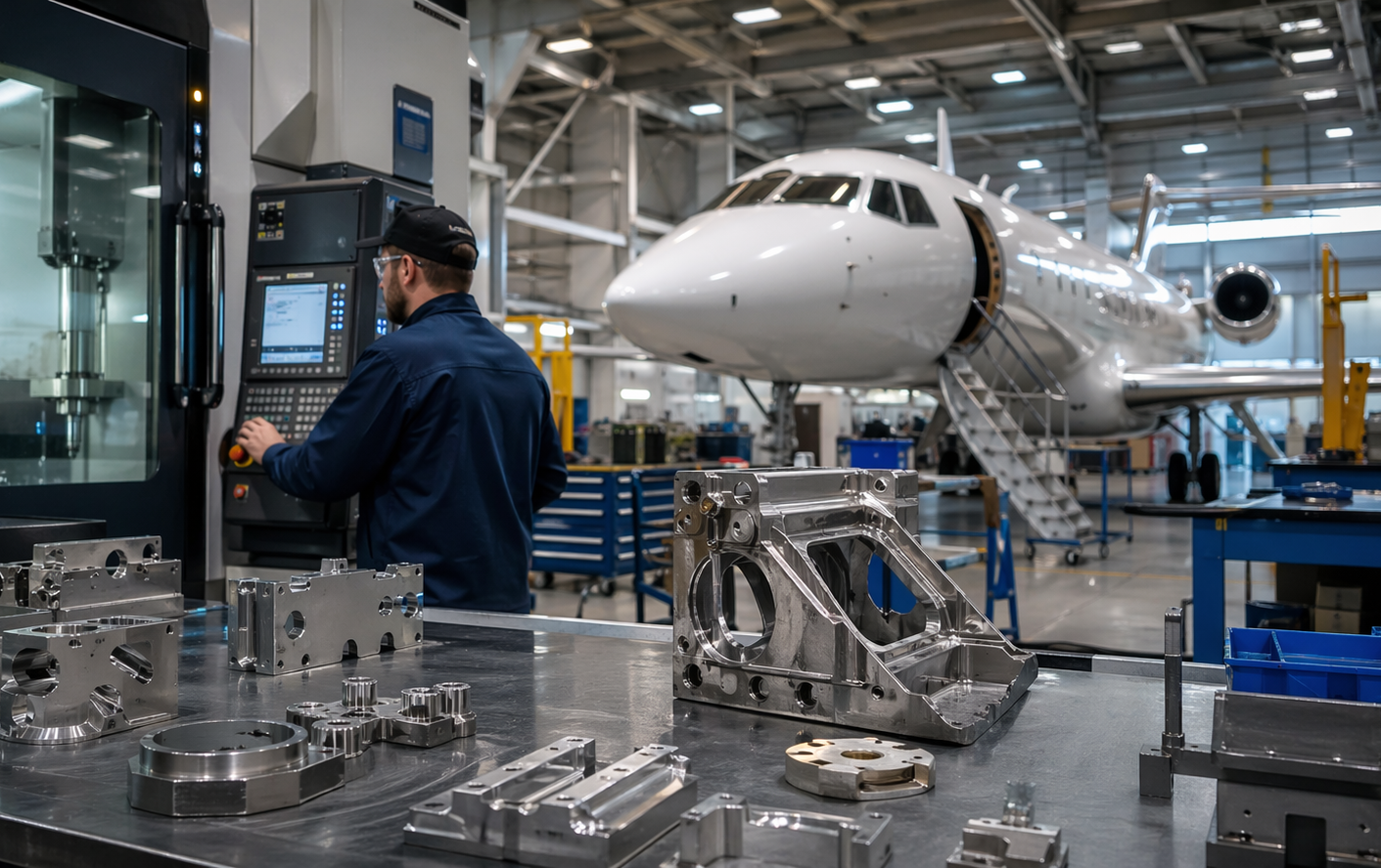
L2 Aviation has taken a decisive step toward reshaping its operational model with the acquisition of Advance Aero, a precision machining and sheet metal fabrication company based in Indiana. The move reflects a broader shift across the aviation aftermarket, where companies are increasingly pulling critical capabilities in-house to counter supply chain volatility and rising production demands.
At its core, the deal is about control. For L2 Aviation, which has built its reputation on avionics integration, certification, and aircraft modification services, the addition of a manufacturing arm closes a long-standing gap between engineering design and physical production. Instead of relying on external vendors for key components, the company can now oversee the process end-to-end—an advantage that is becoming harder to ignore in today’s operating environment.
Tightening the Supply Chain
The timing of the acquisition is significant. Aerospace supply chains remain under pressure, with extended lead times continuing to affect everything from raw materials to finished components. Industry data suggests that turnaround times for machined aerospace parts have stretched by as much as 30% compared to pre-pandemic norms, while supplier backlogs remain elevated across North America and Europe.
By integrating Advance Aero, L2 Aviation is effectively insulating itself from some of these disruptions. Components that once required external sourcing can now be produced internally, reducing dependency on third-party timelines and giving the company greater control over delivery schedules. For airline customers, this translates into shorter installation windows and less aircraft downtime—both of which carry direct financial implications.
Tony Bailey, L2 Aviation’s President and Chief Operating Officer, underscored this point by framing the acquisition around execution rather than expansion. Bringing machining and fabrication in-house, he noted, is expected to improve quality consistency, compress lead times, and enhance the company’s ability to deliver complete, ready-to-install solutions.
What Advance Aero Brings
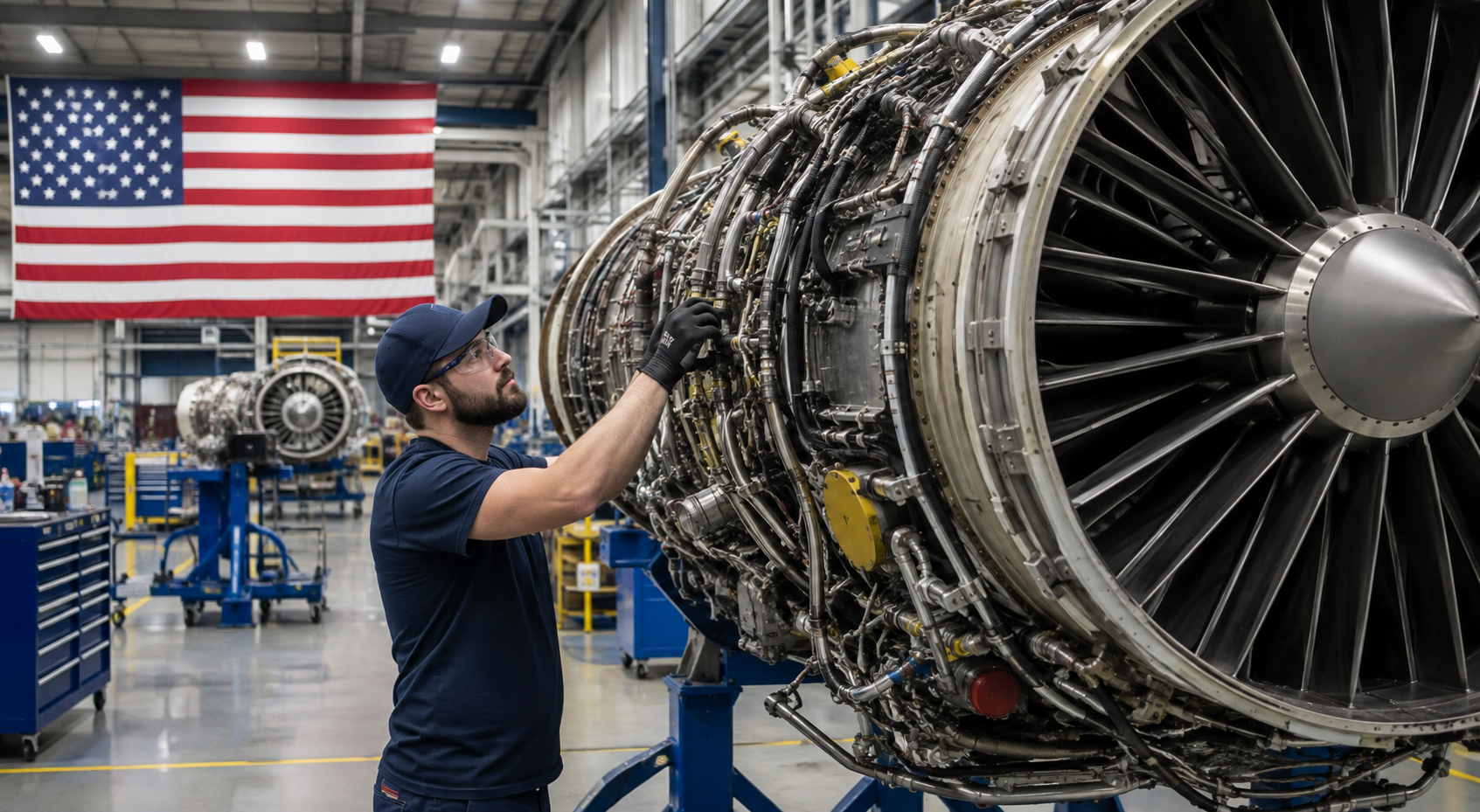
Advance Aero is not a speculative addition. The company arrives with decades of experience in aerospace-grade machining and fabrication, supporting a range of complex assemblies that require tight tolerances and strict adherence to certification standards. Its capabilities include CNC machining, sheet metal forming, and the production of custom components used in avionics installations and structural modifications.
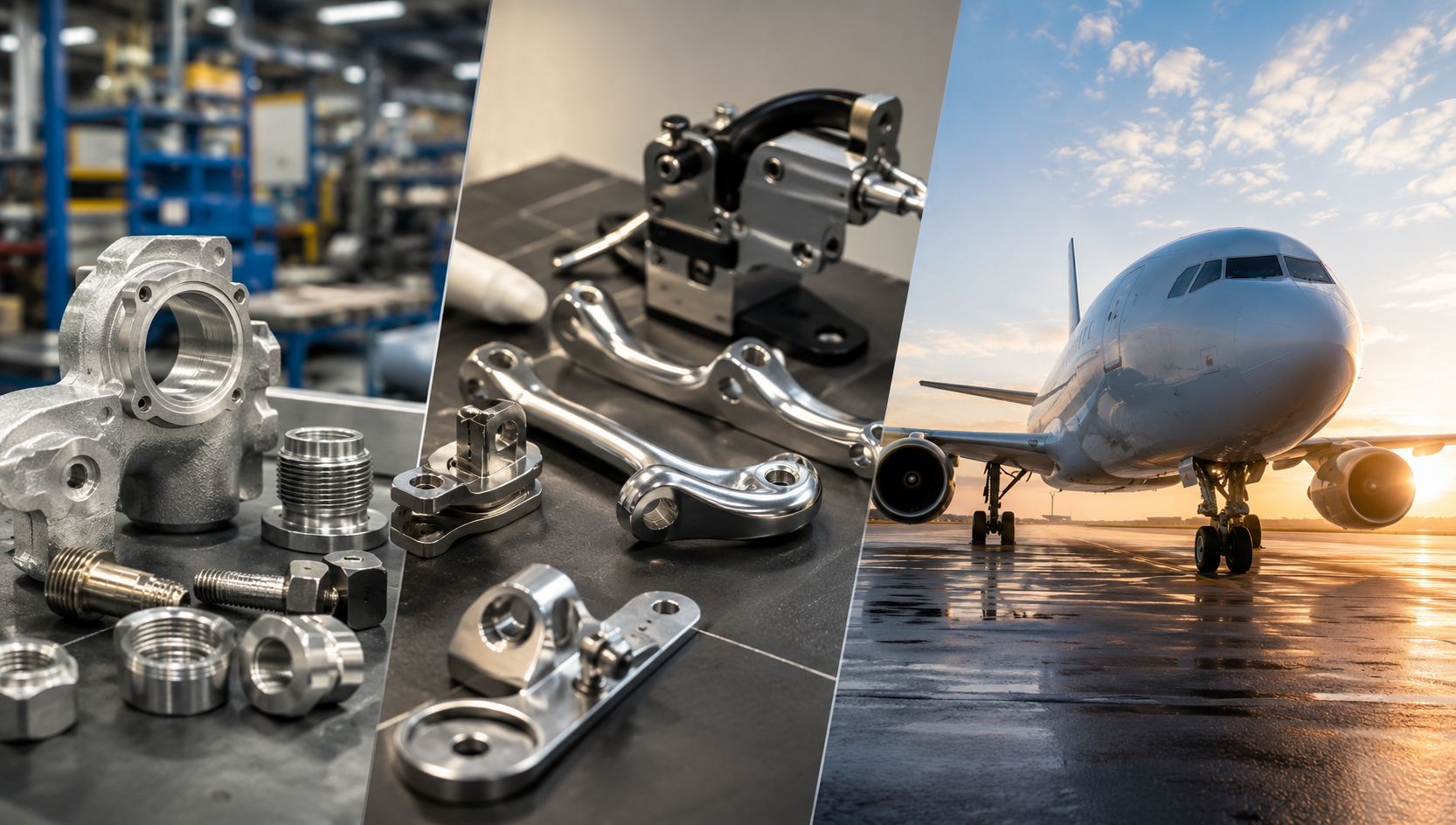
Facilities like Advance Aero’s are a critical, if often overlooked, part of the aviation ecosystem. While high-profile upgrades—such as in-flight connectivity systems or cockpit avionics—tend to draw attention, they rely on a network of precisely manufactured brackets, housings, and support structures. Without these components, installation programs simply cannot move forward.
From a market perspective, this segment is far from niche. The global aerospace parts manufacturing sector continues to expand, with demand driven by both new aircraft production and a growing volume of retrofit work. As fleets age and technology evolves, airlines are investing more heavily in upgrades, creating sustained demand for specialized manufacturing services.
Improving Modification and Kitting Efficiency
One of the most immediate impacts of the acquisition will be felt in L2 Aviation’s kitting operations. Aircraft modification programs depend on highly coordinated logistics, where each installation kit must include every required component, delivered on time and built to exact specifications.
Delays or discrepancies in a single part can stall an entire installation, leading to costly knock-on effects. By producing these components internally, L2 Aviation can streamline the process, ensuring that kits are complete and aligned with engineering requirements before they reach the hangar floor.
This is particularly relevant as airlines accelerate upgrades tied to passenger connectivity and cabin experience. Industry forecasts indicate that a majority of in-service narrowbody aircraft will undergo avionics or connectivity enhancements over the next decade, placing additional pressure on MRO providers to deliver quickly and reliably.
With Advance Aero integrated into its operations, L2 Aviation is better positioned to meet that demand, reducing bottlenecks and improving first-time installation success rates.
A Bet on Domestic Manufacturing
The acquisition also highlights a renewed emphasis on domestic production. In recent years, aerospace companies have been forced to reconsider the risks associated with globally dispersed supply chains. Shipping delays, regulatory hurdles, and geopolitical tensions have all contributed to a more cautious approach to sourcing.
Expanding manufacturing capacity within the United States gives L2 Aviation greater visibility over its operations and reduces exposure to external disruptions. It also aligns with a wider industry trend, as companies seek to balance cost efficiency with resilience.
Advance Aero will continue to serve its existing customers while supporting L2 Aviation’s internal programs, ensuring continuity as integration progresses. Maintaining that balance will be critical, particularly during the transition phase when systems and processes are being aligned.
Integration and Workforce Considerations
Beyond infrastructure, the acquisition brings a skilled workforce into L2 Aviation’s fold. Talent remains a persistent challenge in aerospace manufacturing, with experienced machinists and technicians in high demand. Retaining and integrating Advance Aero’s team will be key to sustaining production quality and meeting customer expectations.
Todd Wilson, President of Advance Aero, pointed to a strong cultural fit between the two organizations, emphasizing shared values around craftsmanship and reliability. That alignment could prove just as important as the technical capabilities themselves, particularly in an industry where precision and consistency are non-negotiable.
Integration efforts are already underway, focusing on harmonizing quality standards, production workflows, and operational systems. Ensuring a smooth transition without disrupting ongoing work will be essential to preserving both customer confidence and internal momentum.
Positioning for Long-Term Growth
The acquisition is part of a broader strategy that extends beyond a single transaction. L2 Aviation has been steadily expanding its capabilities across engineering, certification, manufacturing, and field services, with the aim of offering a fully integrated solution to its customers.
This approach reflects a fundamental shift in the aviation services market. Airlines and lessors are increasingly looking for partners that can handle complex projects from start to finish, rather than coordinating multiple vendors. By consolidating these capabilities, companies like L2 Aviation can differentiate themselves in a competitive landscape.
Market dynamics support this direction. The global aircraft modification sector is expected to grow steadily over the coming years, driven by fleet modernization efforts and evolving passenger expectations. At the same time, supply constraints for new aircraft are pushing operators to invest more heavily in existing fleets, further boosting demand for retrofit services.
More Than an Expansion
Viewed in isolation, the acquisition of Advance Aero might appear as a straightforward capacity increase. In reality, it represents a deeper strategic pivot. By embedding manufacturing directly into its operations, L2 Aviation is redefining how it delivers value—moving from a service provider to a more integrated aerospace solutions platform.
In an industry where timing, precision, and reliability are everything, that shift could prove decisive.
For more on L2 Aviation, see: L2 Aviation Opens $12.2 Million Facility at CVG, Creating 250 Jobs









Leave a Reply