

Capital A Berhad is entering a very different chapter after years of restructuring, and its latest results suggest that the group’s future may be shaped less by airlines and more by the businesses built around them.
Asia Digital Engineering (ADE), the group’s maintenance, repair and overhaul (MRO) arm, delivered another strong quarter, while logistics business Teleport continued to improve its profitability. Together, the two businesses are becoming increasingly important to Capital A as it moves forward after exiting Practice Note 17 (PN17).
ADE reported revenue of RM284 million for the three months ended June 30, 2026, an increase of 29% from a year earlier. EBITDA climbed to RM69 million, giving the business a 22% margin, while profit after tax stood at a 14% margin.
For Capital A, the significance goes beyond one strong quarter. ADE is showing that there is growing value in the company’s engineering capabilities at a time when airlines around the region are operating older aircraft for longer and maintenance requirements are becoming more demanding.
Higher-value maintenance lifts ADE
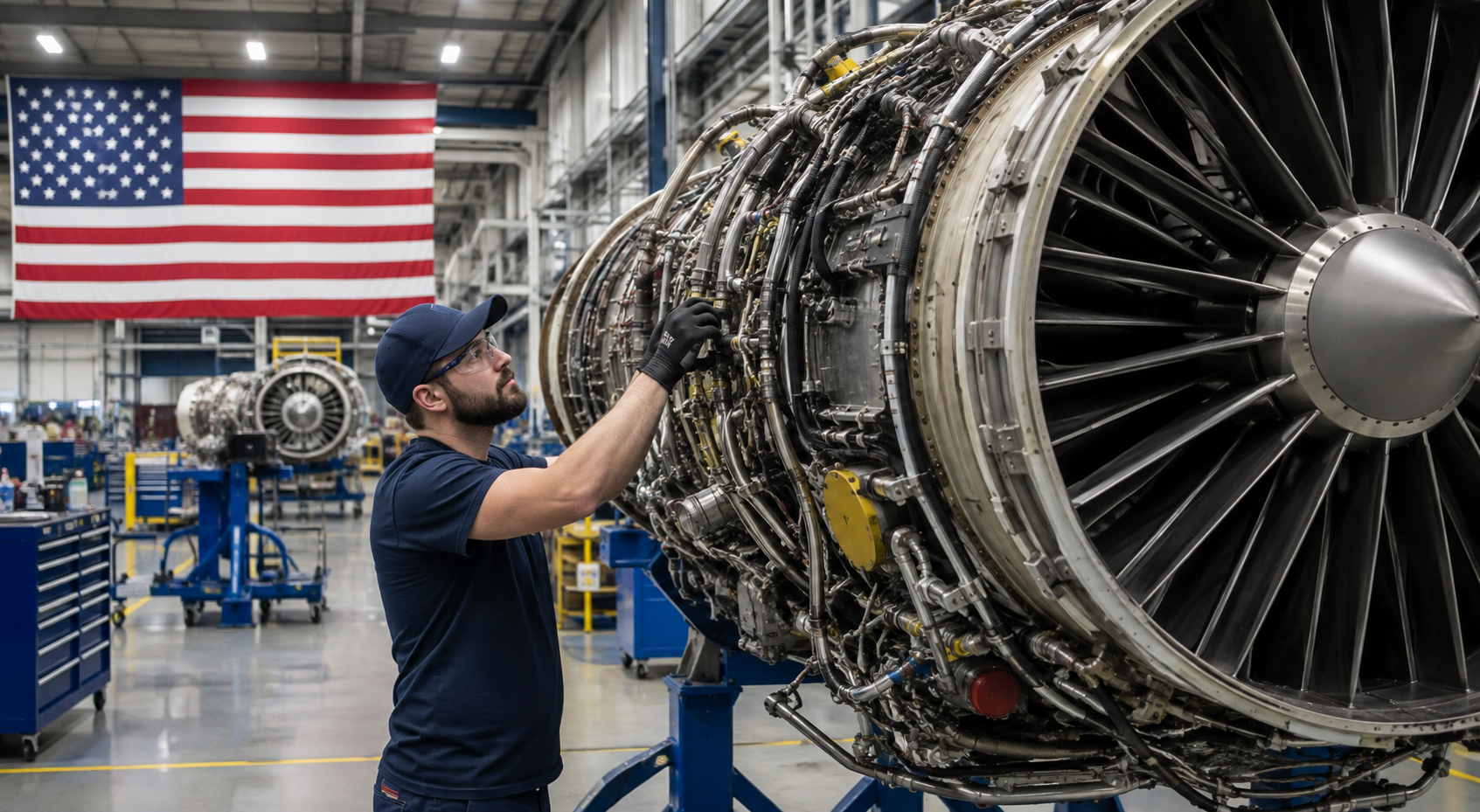
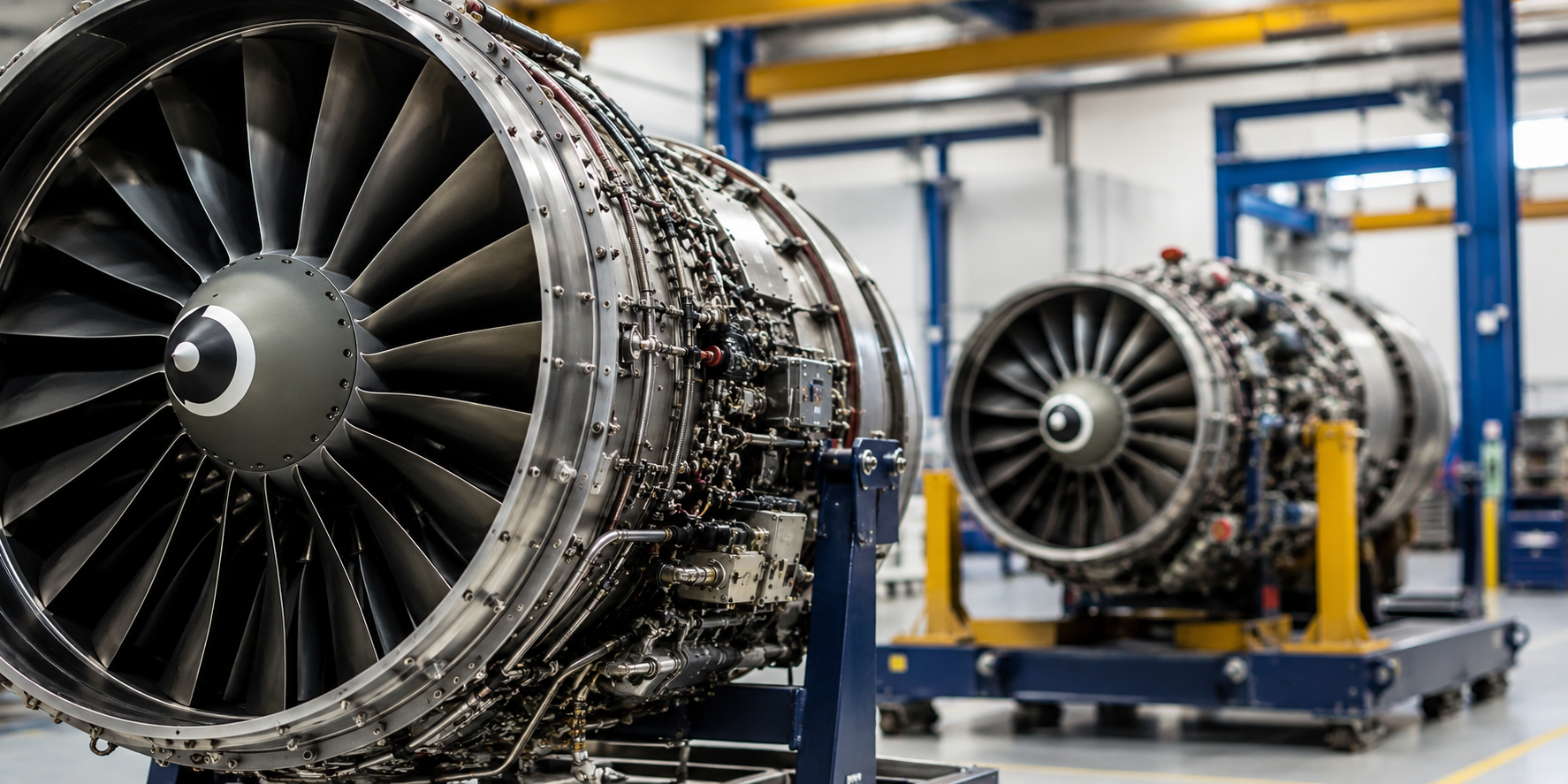
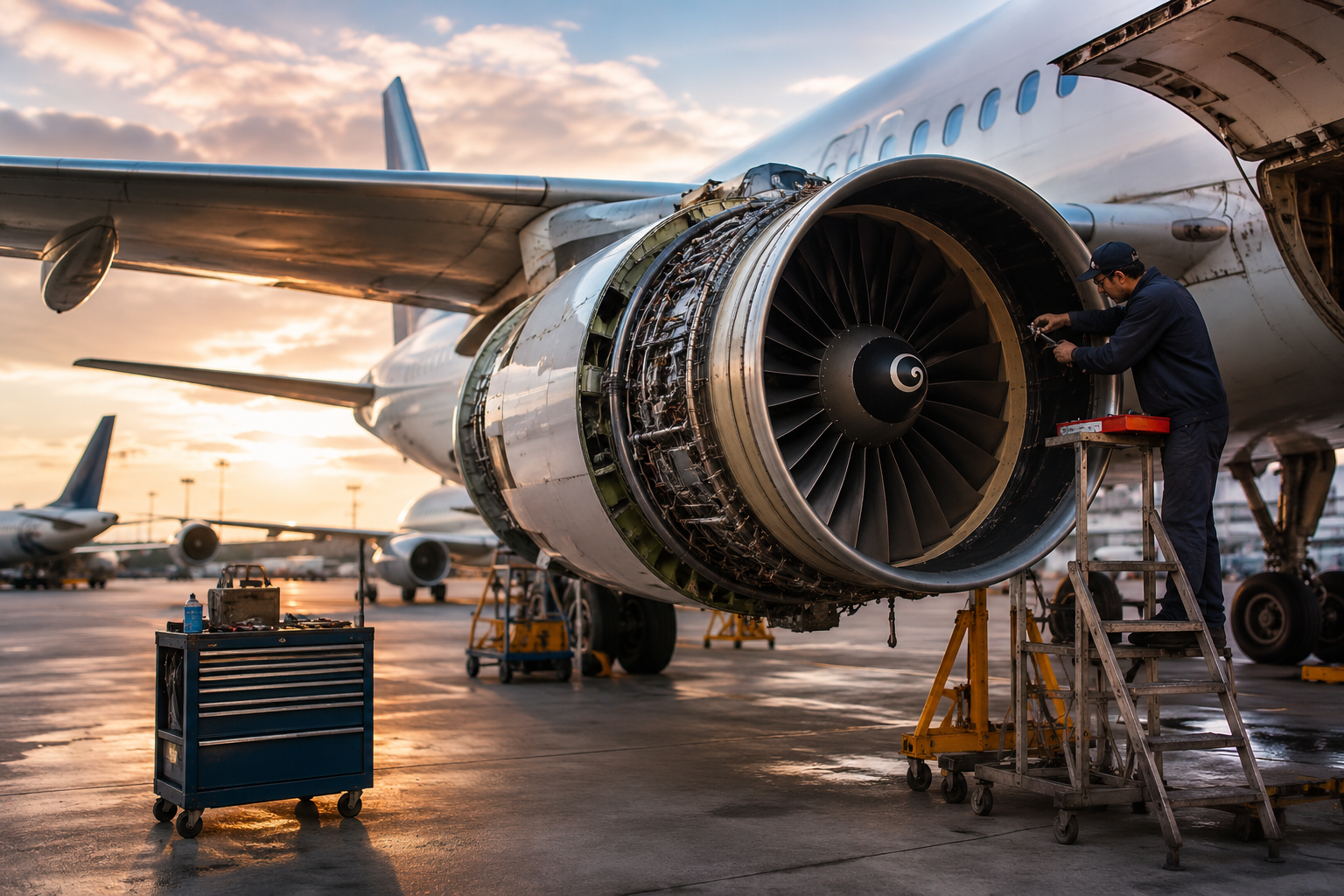
ADE’s second-quarter growth was driven by a combination of higher-value base maintenance checks and stronger workshop activity.
Interestingly, the number of base maintenance checks declined during the quarter. That did not translate into weaker revenue because ageing aircraft required more extensive and complex work. In other words, ADE was handling fewer checks but generating more value from each one.
Component maintenance orders also rose 23% year on year, reflecting stronger demand for repair, refurbishment and other specialist services.
That shift towards more intensive work could prove important for ADE’s long-term earnings. Heavy maintenance generally requires more engineering resources and can carry greater value than routine checks, giving the company an opportunity to grow revenue without relying solely on an increase in the number of aircraft passing through its facilities.
The numbers for the first half of 2026 underline the momentum. ADE generated more than RM500 million in revenue, up 19% year on year. EBITDA rose 16% to RM112 million, while net operating profit increased 52% to RM62 million.
Profitability was also supported by strategic debt refinancing, which helped cushion the impact of higher depreciation following the acquisition of new tools and equipment.
More importantly, demand appears strong enough to support further expansion.
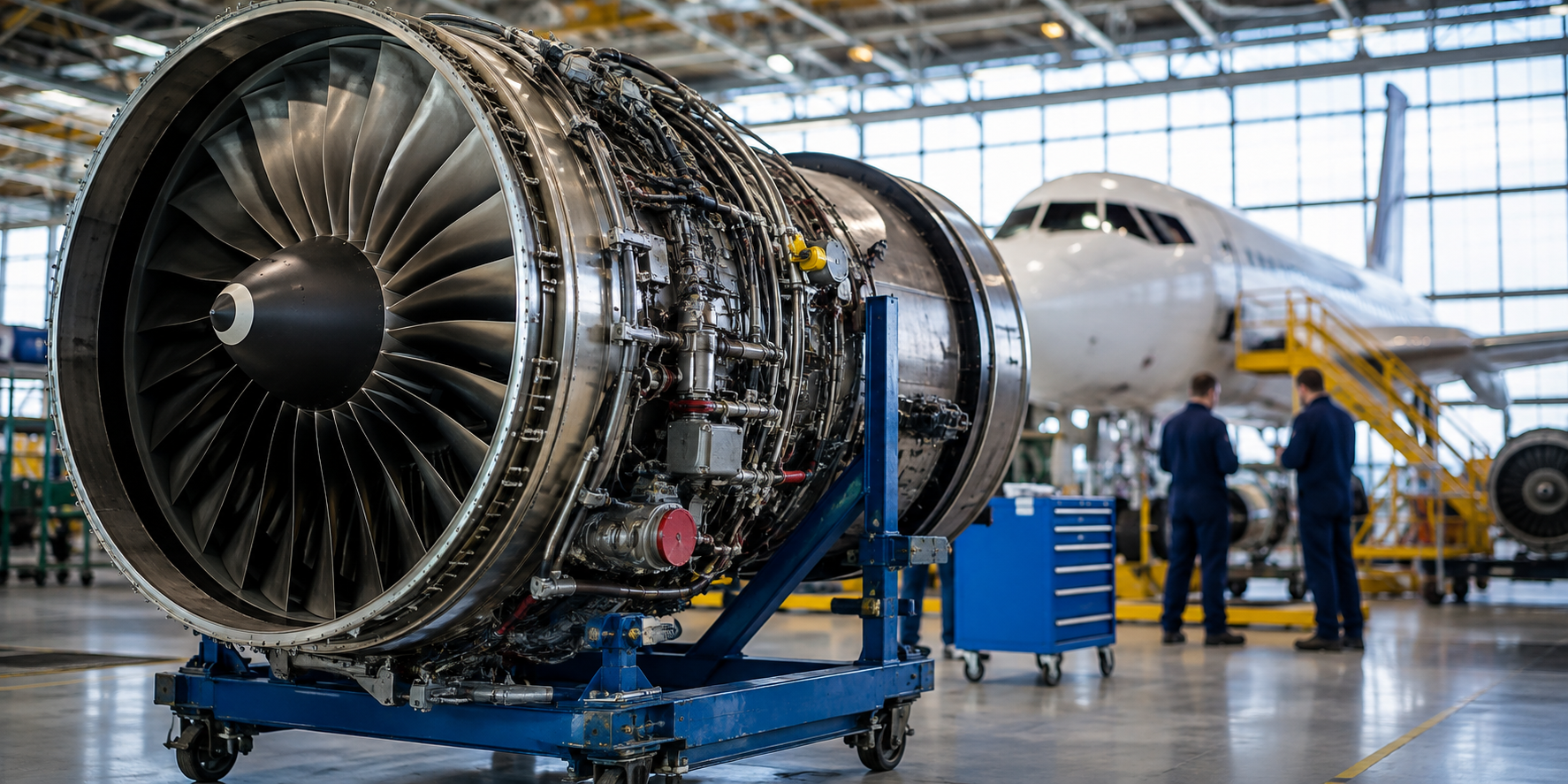
Public Investment Bank Bhd’s research arm, PublicInvest Research, highlighted that ADE has already booked hangar slots through next year. The company is also preparing to expand its capacity at Kuala Lumpur International Airport with a new four-line maintenance hangar, with groundbreaking expected in the coming quarter.
If that expansion proceeds as planned, ADE could have considerably more room to pursue third-party MRO work and take on increasingly complex maintenance programmes.
Teleport is becoming more than a growth story
ADE is not the only Capital A business showing a stronger financial profile.
Teleport, the group’s logistics venture, also made significant progress during the quarter. Revenue reached RM311 million, while cargo tonnage increased 11% year on year to 85,877 tonnes.
The more striking figure was in cross-border e-commerce. Parcel volumes surged 79% to 56.5 million units, reflecting continued demand for regional delivery services as online commerce expands across Southeast Asia.
Freighter utilisation also jumped 89%, helping Teleport make better use of its network and available cargo capacity.
The business reported net operating profit of RM7.6 million and profit after tax of RM4.4 million, compared with a PAT loss of RM0.1 million in the same quarter last year.
That move into consistent profitability is arguably more important than the headline revenue growth.
Teleport was initially positioned as a business with significant expansion potential, but investors have increasingly needed to see evidence that the growth can translate into sustainable earnings. The latest figures provide some of that evidence.
For Capital A, it also means the group is developing a logistics business that can stand on its own rather than simply functioning as an extension of its aviation network.
Capital A’s post-PN17 story is taking shape
The backdrop to these results is important.
Capital A officially exited PN17 status on May 20, 2026, marking a major milestone following its restructuring programme. The group has since moved away from its previous airline-centric structure after the disposal of its aviation operations.
That has changed the way investors look at the company.
Instead of asking whether Capital A can restore its former airline business, the focus is increasingly on whether its remaining businesses can produce reliable growth and eventually unlock value independently.
The latest results provide some encouragement.
ADE and Teleport together contributed more than 70% of Capital A’s total revenue in the first half of 2026. Their performance is therefore becoming central to the group’s earnings profile.
PublicInvest Research has kept its earnings estimates for Capital A unchanged and remains positive on the group’s outlook. The research house said first-half earnings represented 49.2% of its full-year forecast, compared with 32.7% of the broader consensus forecast.
It also maintained an Outperform call and a RM0.55 target price based on a sum-of-the-parts valuation.
Potential listings of Capital A’s individual business verticals could provide another source of value if the group decides to pursue them.
AirAsia MOVE faces a tougher environment
Not every part of the portfolio is moving at the same speed.
AirAsia MOVE recorded revenue of RM96 million in the second quarter, up 5% year on year. The travel platform continued to attract users, with monthly active users increasing 22% to 16.3 million.
Searches rose 15% to 33.2 million, while total platform transactions increased 8% to 11.8 million.
The platform also benefited from the integration of WANO, its B2B travel distribution platform, which contributed 11% of quarterly revenue.
Still, the business faced pressure from higher operating costs and lower flight volumes. Geopolitical disruptions, elevated fuel prices and airline capacity cuts made the operating environment more difficult.
MOVE nevertheless remained EBITDA positive at RM7 million.
The challenge now is converting its growing user base and transaction activity into stronger and more consistent margins.
AirAsia Next is expanding the brand
AirAsia Next is pursuing a different strategy altogether.
The business, which manages and licenses the AirAsia brand, generated RM78 million in second-quarter revenue, an 8% increase from a year earlier. EBITDA reached RM26 million, while net operating profit stood at RM22 million.
The loyalty programme is becoming a meaningful part of that business. AirAsia Rewards generated nearly RM20 million in revenue as points redemptions rose 34% year on year to 930.6 million points.
The company is also looking beyond travel.
During the quarter, AirAsia Next signed a Master Brand Licensing Agreement to expand the AirAsia name into healthcare. It is also progressing towards a potential agreement with a major hotel chain to develop AirAsia Hotels.
Those moves reflect Capital A’s broader attempt to extract value from the AirAsia brand without having to operate an airline itself.
Santan remains under pressure
Santan, the group’s inflight catering business, had a more difficult quarter as regional airline capacity constraints reduced passenger volumes by 14%.
EBITDA dropped 60% year on year to RM2 million, while net operating profit fell 75% to RM1 million.
There were some positive signs outside the inflight business. E-commerce revenue increased 30% year on year, while transaction volumes rose sharply on platforms such as TikTok and Shopee.
That diversification could help Santan reduce its dependence on passenger traffic over time, although it remains one of the more challenging businesses within the portfolio.
The next phase will be about execution
Capital A’s second-quarter performance does not mean the restructuring story is finished. If anything, the end of PN17 has shifted attention towards a new question: can the group turn its collection of businesses into a durable growth platform?
ADE currently provides the clearest answer.
Its stronger maintenance mix, growing component orders, booked capacity and planned hangar expansion give the MRO business a visible route to further growth. Teleport, meanwhile, is showing that rapid logistics expansion can begin translating into consistent profits.
The other businesses still have work to do, particularly in improving margins and demonstrating that their growth can be sustained.
For Capital A, however, the direction is becoming clearer.
The company no longer needs to be defined primarily by its former airline operations. Its engineering, logistics, travel technology and brand businesses are gradually establishing their own identities and revenue streams.
That makes the latest ADE results more than just another quarterly performance update. They offer a glimpse of what Capital A could look like after PN17 — a diversified group in which aircraft maintenance and logistics, rather than passenger flights, provide much of the financial momentum.
The real test will be whether that momentum can continue as ADE adds capacity, Teleport scales its network and Capital A works to unlock value from the rest of its portfolio.
For now, the evidence suggests the group’s post-airline strategy is beginning to find its footing.
For more on Capital A, see: Capital A Completes AirAsia Airline Sale After Six Years




Leave a Reply