
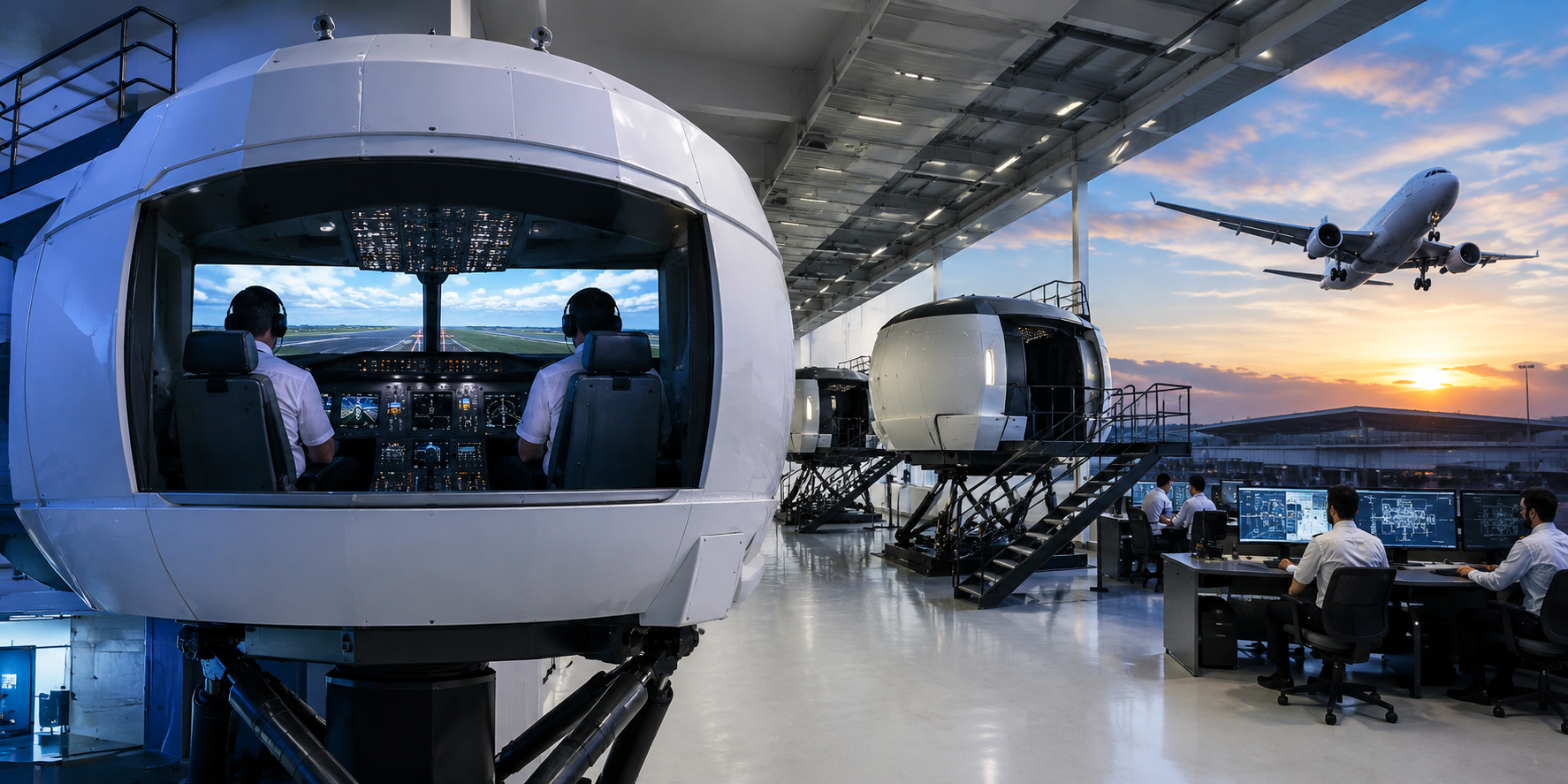
FlightSafety International is making a major move into the commercial aviation training market as demand for pilots and advanced simulation continues to build. The company has signed a definitive agreement to acquire Commercial Training Solutions (CTS) from Acron Technologies, bringing a large portfolio of commercial training, simulator and aviation academy operations into its business.
The transaction is more than a straightforward expansion for FlightSafety. It comes at a time when airlines around the world are preparing for significant fleet growth, creating a parallel need for more pilots and the training infrastructure required to qualify and maintain them.
Under the agreement, FlightSafety will acquire CTS’s Training Systems, Training Services, Aviation Academy and Driver Training operations. The combination will broaden FlightSafety’s existing simulator manufacturing capabilities while adding further commercial training capacity and strengthening its presence across key aviation markets.
FlightSafety Targets a Growing Commercial Training Market
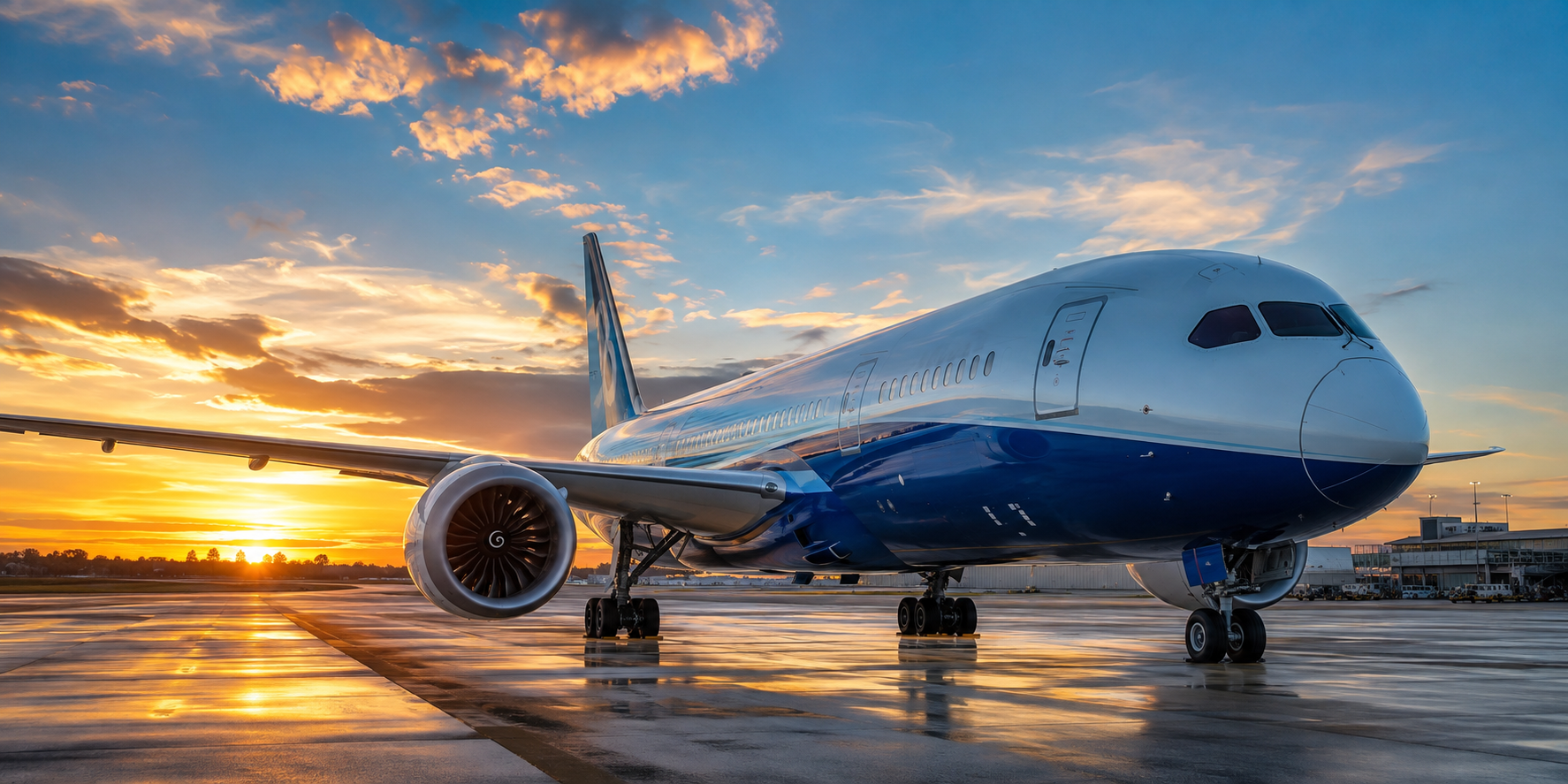
The timing of the deal is particularly significant. The global commercial airline fleet is projected to grow from approximately 28,000 aircraft in 2025 to more than 50,000 by 2045. Every additional aircraft entering service ultimately increases the requirement for trained flight crews, recurrent training and access to qualified simulation equipment.
That makes flight simulation an increasingly important part of airline expansion plans.
Airlines cannot simply add aircraft and expect pilot training capacity to keep pace automatically. New crews need initial and type training, while existing pilots must complete recurrent checks and maintain proficiency. High-fidelity full-flight simulators allow much of this training to take place without putting an operational aircraft into the air.
FlightSafety already has a substantial presence in this market. The company designs, manufactures and supports advanced training devices, including Level D full-flight simulators, and has programs covering aircraft such as the Airbus A220, A320 and A350 and Boeing 737 MAX.
Adding CTS therefore gives FlightSafety another significant platform from which to address the commercial airline training market.
CTS Brings More Than 80 Years of Experience
CTS is not a new entrant that FlightSafety will have to build from the ground up. The business brings more than eight decades of experience in commercial aviation training and simulation.
Its history includes a major role in commercial airline simulator manufacturing, with more than 850 training devices delivered over its lifetime. More than 300 full-flight simulators associated with CTS are currently in operation around the world.
That installed base is one of the most important aspects of the transaction. Simulator manufacturing is only one part of the aviation training ecosystem. Once a device enters service, operators require maintenance, technical support, upgrades and other services throughout its useful life.
For FlightSafety, acquiring a business with an established installed base and long-standing commercial aviation relationships could provide opportunities to expand its customer relationships well beyond the initial sale of a simulator.
CTS also operates training and manufacturing facilities in the United States, United Kingdom and Thailand. Its activities include pilot and driver training systems as well as airline academy programs, giving FlightSafety additional geographic reach and operational capabilities.
A Bigger Simulator and Training Footprint
FlightSafety has increasingly positioned simulation technology as a central part of its broader aviation training strategy. Its current portfolio spans full-flight simulators, flight training devices, visual systems and displays, supporting operators across commercial and business aviation as well as government and military customers.
The CTS acquisition adds another layer to that capability.
Rather than focusing solely on manufacturing training equipment, FlightSafety will gain a broader commercial aviation platform that combines equipment, training services and academy operations. That could become particularly valuable as airlines look for training partners capable of supporting more of their requirements under one umbrella.
For airlines, the issue is not simply how many simulators are available. Location, aircraft type, regulatory approvals, instructor availability and scheduling all affect how efficiently crews can complete required training.
Expanding the network could therefore help FlightSafety respond to demand in markets where training capacity is becoming increasingly important.
FlightSafety Sees Long-Term Airline Demand
FlightSafety CEO Eric Hinson said CTS’s commercial simulation and training expertise aligns with the company’s long-term growth strategy and will allow FlightSafety to better serve airlines worldwide. CTS President David Coward similarly pointed to the opportunity to invest further in training technologies and expand the business’s global reach following the transaction.
Those comments highlight the strategic rationale behind the agreement.
The aviation industry is entering a period in which training capacity is likely to become an increasingly important constraint. Aircraft manufacturers may have large order books, airlines may be planning fleet expansion and passenger demand may support additional routes, but none of those plans can be fully realized without enough qualified crews.
That puts pilot training companies in a critical position.
Advanced flight simulators are especially valuable because they allow pilots to practice normal operations as well as rare and challenging scenarios in a controlled environment. They also provide a practical way for airlines to complete recurrent training without taking aircraft away from revenue service.
FlightSafety’s own simulation portfolio is already built around this principle, with the company describing itself as a vertically integrated provider covering the design, manufacture and support of advanced simulation equipment.
Acron Sharpens Its Aerospace Focus
The transaction also represents a strategic shift for Acron Technologies.
Acron is built around aerospace solutions and defense and rescue technologies, with a portfolio spanning avionics, connectivity, navigation and positioning, flight data, rescue systems and related technologies. The company said the divestiture will allow it to concentrate capital and engineering resources on those core areas while positioning CTS for continued growth under FlightSafety.
For CTS, moving into FlightSafety’s organization could provide a more direct focus on commercial aviation training and simulation.
That could be important as the sector evolves. Airlines are increasingly looking for training technologies that can accommodate growing fleets while improving efficiency and maintaining high standards of pilot proficiency.
What the Deal Means for the Pilot Training Industry
The broader significance of the acquisition may ultimately extend beyond FlightSafety and CTS.
The projected expansion of the commercial aircraft fleet means the aviation industry will need a much larger training ecosystem over the coming two decades. That includes pilots and instructors, but also full-flight simulators, flight training devices, maintenance personnel, training centers and digital learning technologies.
The acquisition gives FlightSafety an opportunity to participate more deeply in several of those areas.
It also strengthens the company’s commercial aviation credentials at a time when simulation is becoming increasingly important to airline operations. FlightSafety already operates a large network of training locations and advanced full-flight simulators on six continents, while CTS adds more commercial training infrastructure and an established simulator fleet.
For airlines planning long-term fleet growth, having additional training capacity available could become just as important as securing aircraft and engines.
Deal Expected to Close in Late 2026
The FlightSafety International acquisition of CTS is expected to close in the fourth quarter of 2026, subject to customary closing conditions and regulatory approvals. Financial advisors involved in the transaction include RBC Capital Markets and Harris Williams for Acron Technologies, while Kirkland & Ellis advised Acron and Baker McKenzie advised FlightSafety.
FlightSafety is also marking its 75th anniversary in 2026. The company says it provides professional aviation training and simulation technology to customers in more than 170 countries and operates advanced full-flight simulators across learning centers and training locations on six continents.
The CTS acquisition adds another significant piece to that global network.
For the commercial aviation industry, however, the most important takeaway is the timing. With the worldwide airline fleet potentially approaching 50,000 aircraft by 2045, the next challenge will not simply be getting those aircraft into service. Airlines will also need enough trained crews and enough sophisticated simulation capacity to support them.
FlightSafety’s agreement to acquire CTS suggests the company expects that training requirement to become one of the defining growth opportunities in aviation over the years ahead.
For more on similar developments, see: Beyond the Black Box: How Flight Recorders and Data Apps Are Redefining Safety and Efficiency



Leave a Reply