

In a momentous leap toward sustainable aviation, ZeroAvia and Loganair have joined forces, unveiling a partnership designed to accelerate hydrogen-electric propulsion in regional air travel. The collaboration, anchored in shared ambitions for a cleaner future, positions both firms at the vanguard of decarbonising short-haul flights across Scotland and the UK.
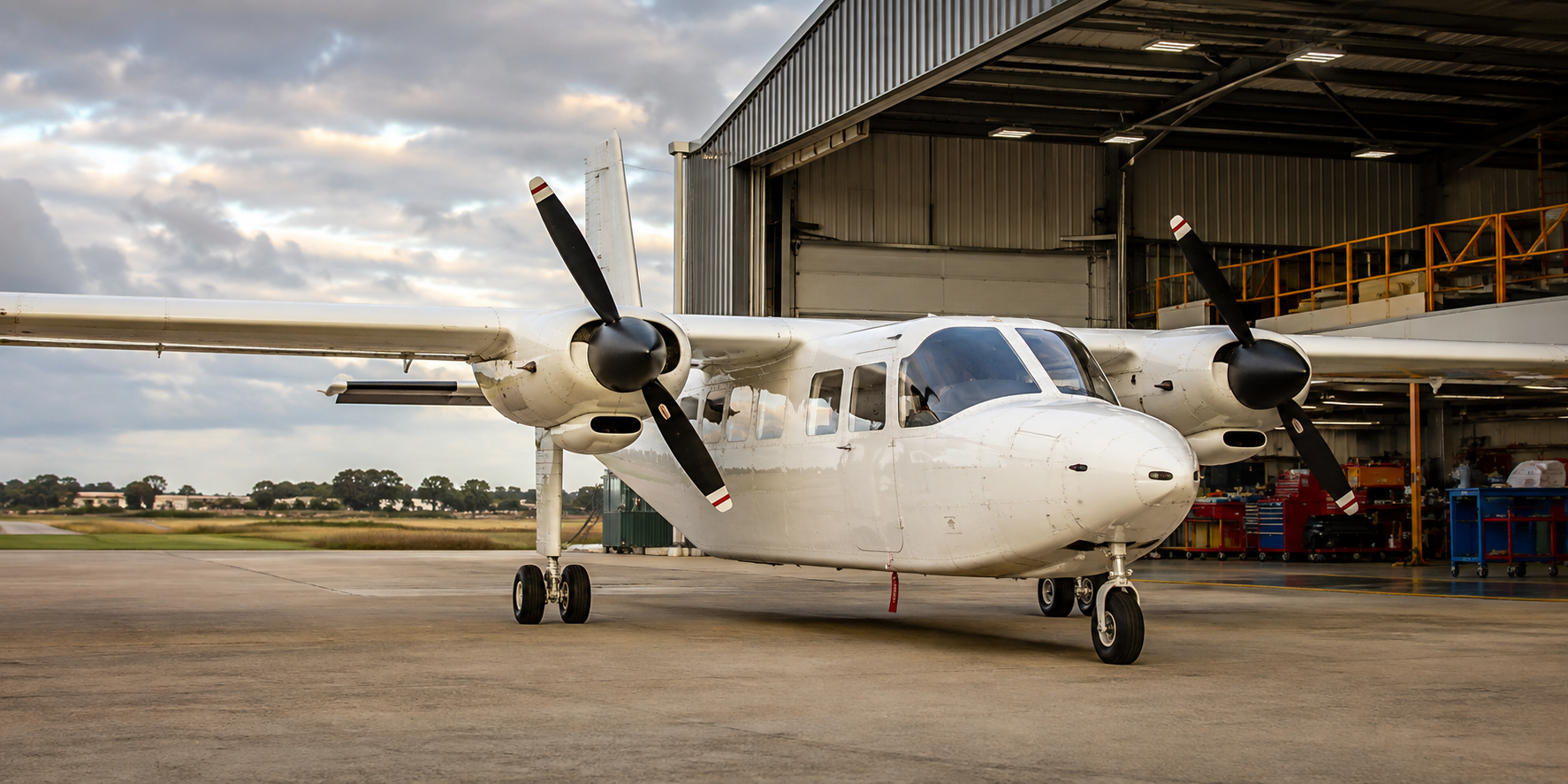
Loganair, long known for its commitment to connecting remote communities, has committed to retrofitting its iconic fleet—including the Britten‑Norman Islander—with ZeroAvia’s cutting-edge fuel-cell electric powertrains. These hydrogen engines, designed specifically for nine- to 19-seat aircraft, are scheduled to begin commercial trials by 2027. Initially focused on inter-island Scottish services, the program aims to pave the way for broader rollouts across Loganair’s extensive route network.
At the core of the partnership lies ZeroAvia’s hydrogen-electric motor, which uses hydrogen fuel cells to generate electricity, powering a silent electric propeller with only water vapor as exhaust. This technology promises cleaner, quieter flights with operational ranges of several hundred miles—ideal for the short hops Loganair specializes in. Pilot flights have already been successfully executed, with the engine undergoing rigorous testing to secure certification by mid-decade.
Loganair’s roots in the Orkney Islands serve as more than mere backdrop—they are central to its vision. The airline operates in sensitive ecological zones where emissions and noise reduction are paramount. By adopting hydrogen-electric propulsion, Loganair aims not only to reduce its environmental footprint but also to ensure reliable connections for islanders. The program’s strategic launch from Kirkwall Airport—Scotland’s Sustainable Aviation Test Environment hub—leverages an infrastructure-rich site tailored for emerging aviation technologies.
Behind the scenes, the collaboration extends beyond just engineering. ZeroAvia is driving ahead with Hydrogen Airport Refuelling Ecosystem (HARE) infrastructure, collaborating with airport operators and energy partners to establish reliable hydrogen supply chains at regional airports. Onshore hydrogen production, onsite storage systems, and tailored refueling protocols are all being mapped and deployed, ensuring a seamless passenger experience once hydrogen aircraft take to the skies.
Loganair’s sustainability roadmap encompasses more than just aircraft. The airline has already introduced electric ground vehicles, sensor-based environmental monitoring in flight, and electric turnaround operations. This latest hydrogen initiative adds a striking new dimension to the company’s commitment to hit net-zero emissions by around 2040—a timeline supported by these breakthrough investments in alternative propulsion.
Beyond the environmental and technical feats, this partnership sends a powerful signal to the broader aviation industry. By backing hydrogen-propulsion in a commercial context, ZeroAvia and Loganair are demonstrating that clean regional aviation isn’t a distant ambition—it’s an achievable reality. Their strategy shows how small-scale programs can act as springboards for wider adoption, driving innovation across OEMs, airports, regulators and communities.
From a commercial standpoint, the advantages are compelling: lower runway noise, reduced fuel bills, more consistent energy pricing, and brand distinction for early adopters. For remote customers, hydrogen aircraft could provide more frequent, dependable connections, supporting local economies and fostering social integration.
Still, significant challenges remain. Hydrogen’s low energy density demands cryogenic storage systems, and fuel-cell durability and cost efficiency still need refinement. Loganair and ZeroAvia are aware that moving from prototype to mainstream requires collaborative spectrum—embracing scaled infrastructure, regulatory reform, and robust public acceptance.
Already, other industry players are watching closely. Loganair’s parallel engagement with hybrid-electric systems and Heart Aerospace’s ES‑30 aircraft illustrates a multi-pronged strategy aimed at fostering a vibrant, competitive future flight landscape. Airports across the Highlands and Islands are evaluating hydrogen-ready terminals in anticipation of 2027 pilot flights.
By setting ambitious targets and shape-shifting from traditional turboprops to hydrogen-electrics, ZeroAvia and Loganair are crafting a blueprint for cleaner skies. Their venture suggests a future where the whisper of propellers replaces the roar of jets—quiet, clean, and powered by abundant green hydrogen.
With the debut of commercial hydrogen-powered commuter flights on the horizon, the global aviation industry is closely following this bold step toward zero-emission air travel. If all goes to plan, passengers could soon take off on zero-emission routes from Orkney to Glasgow—and beyond—beginning a new chapter in the story of clean, connected flight.








Leave a Reply